



Kudos to Al Jazeera America for highlighting an important aspect of the kratom industry in this investigative report (Warning: graphic content included). While kratom has garnered more attention recently, much of it has been positive especially in the wake of Congressional attempts to enact a ban. However, attention like this today is unwanted, and stems from recent jury awards in connection with wrongful death cases related to kratom.
The American Kratom Association didn’t wait around. They stepped in and issued a consumer advisory that makes one thing clear. The problem isn’t just the headlines, it’s the lack of structure behind the market itself.
What the AKA Is Actually Pushing For
They’re asking the FDA to do something that probably should’ve been done years ago. Set real manufacturing standards and enforce them.
Not vague guidance. Not optional compliance. Actual rules that define what a safe kratom product looks like before it reaches consumers.
Because right now, that line is blurry. And when the line is blurry, the lowest-quality products always find their way in.
What Consumers Need to Pay Attention To
Until those standards exist, the responsibility falls back on the buyer. That’s not ideal, but it’s the current reality.
The AKA made it simple. If a product doesn’t show proper labeling, clear serving guidance, or verified lab testing, don’t touch it. That’s not being cautious. That’s being realistic.
And if the packaging looks like it was thrown together without any structure, that usually tells you everything you need to know before even opening it.
Where Things Are Breaking Down
Mac Haddow didn’t soften his stance on this. He pointed directly at the FDA’s refusal to implement standards as the reason the market looks the way it does right now.
When there’s no baseline, you don’t just get variety. You get inconsistency. And eventually, you get situations like the ones making headlines now.
That doesn’t just affect one company. It shifts how people view the entire category.
What the Lawsuits Are Really About
There’s an important detail that gets lost in how these stories are told. These cases aren’t about kratom being inherently dangerous.
They’re about how certain products were made, labeled, and sold. That difference matters more than most people realize.
Poor labeling, no usage guidance, questionable handling. That’s what keeps coming up.
And according to Haddow, it’s not like these issues went unnoticed. The AKA has filed dozens of complaints over time. None of them triggered meaningful change.
Why Regulation Isn’t the Enemy
There’s a belief in parts of the industry that regulation would hurt growth. That’s short-term thinking.
Regulation doesn’t remove good products. It removes bad ones. It forces a baseline that serious brands are already operating at anyway.
If anything, it makes the gap between quality and noise more obvious.
What This Means Moving Forward
The AKA has already said they’ll support congressional action if needed. That’s not a bluff. It’s a signal that this isn’t slowing down anytime soon.
Because the issue isn’t kratom itself. It’s the lack of consistency in how it’s handled before it gets to the consumer.
And until that’s addressed, situations like this will keep repeating.
Where Quality Actually Matters
This is the part most people skip. Not all kratom is the same, even if it’s labeled the same.
Sourcing, handling, and testing all show up in the final product whether you notice it or not. That’s what separates something reliable from something you regret trying.
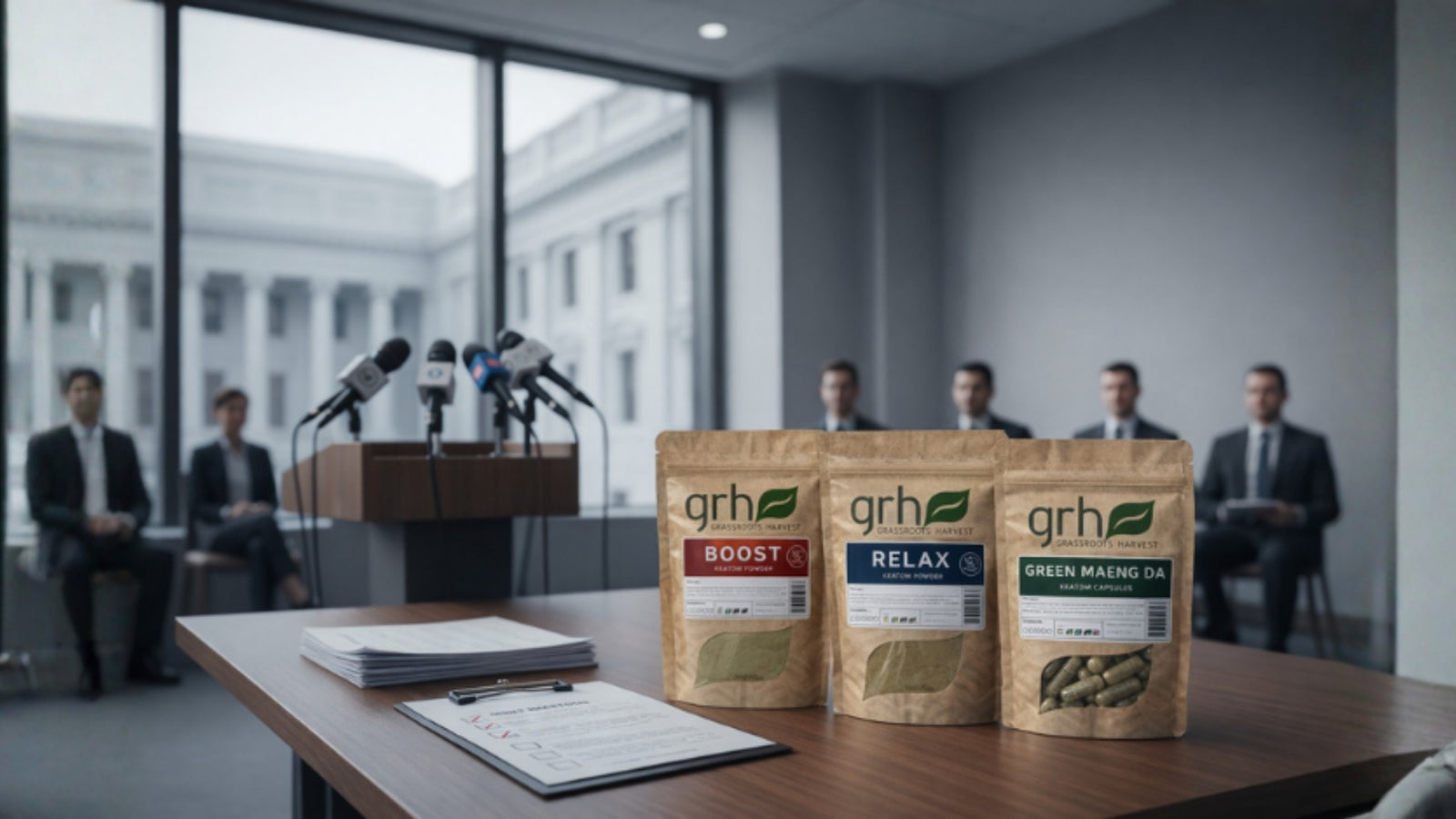
If you want to see what properly handled kratom looks like in practice, GRH Kratom is built around that standard from the start.
About the American Kratom Association
The American Kratom Association was established in 2014 as a non-profit focused on keeping kratom legal while pushing for safer standards.
They’ve worked with legislators, monitored policy changes, and supported research that helps define how kratom should be regulated instead of banned outright.
Their position has stayed consistent. Access should remain, but it needs structure behind it.
Final Thought
This isn’t about whether kratom works or not. That conversation already exists.
This is about what happens when a growing market doesn’t have a clear standard to follow. Eventually, something forces that conversation.
Right now, that’s exactly what’s happening.


