



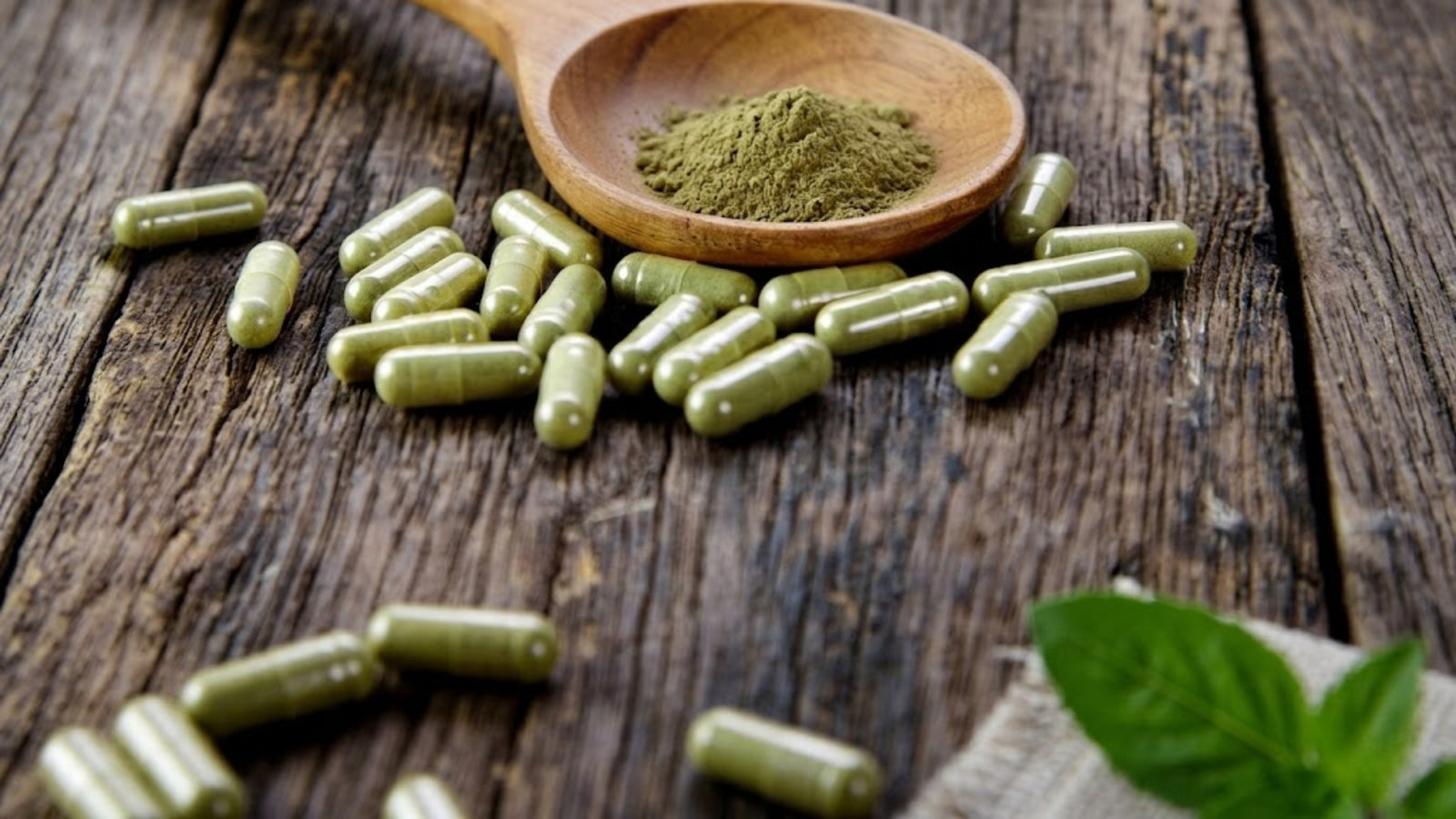
If you have searched the question is kratom dangerous, you have probably found two loud and opposite answers. Advocates describe kratom as a gentle, natural botanical. Critics warn that it behaves like an opioid and can cause real harm. The honest answer sits in between, and it depends heavily on the dose, the form, the product quality, and the person using it. This guide takes a calm, evidence-based look at what the science actually says, where the documented risks are, and how to make informed, responsible decisions. According to the U.S. Food and Drug Administration, kratom is not approved for any medical use, and the agency has raised safety concerns, so this is a topic worth understanding clearly rather than fearfully.
None of this is medical advice. It is a plain-language summary of public health guidance and peer-reviewed research, written to help you ask better questions and talk with a qualified healthcare provider before using kratom.

Quick summary (TL;DR)
- Kratom (Mitragyna speciosa) is a tropical tree whose leaves contain two main alkaloids: mitragynine and 7-hydroxymitragynine.
- The FDA has not approved kratom for any use and has warned about its risks; it makes no claims that kratom is safe.
- Kratom is not a federally scheduled controlled substance, but the DEA lists it as a "drug of concern" and some states and counties restrict it.
- Documented risks include dependence and withdrawal with heavy use, interactions with medications, and rare but serious adverse events.
- The safety profile of plain leaf differs from highly concentrated extracts, especially products boosted with 7-OH (7-hydroxymitragynine).
- Most reported kratom-involved deaths also involved other drugs; pure single-substance cases are uncommon but documented.
- Kratom is not appropriate for anyone under 18, people who are pregnant or breastfeeding, or those taking certain medications.
- Buying lab-tested products from a transparent source and talking to your doctor are the two most protective steps you can take.
What the science actually says
Kratom is a relative of the coffee plant, native to Southeast Asia, where its leaves have been chewed and brewed for generations. Its effects come mainly from two alkaloids. Mitragynine is the most abundant and produces mild stimulant effects at low doses and more sedating, pain-relieving effects at higher doses. 7-hydroxymitragynine is a minor alkaloid in the natural leaf but is far more potent at the brain's mu-opioid receptors. You can read more about the primary compound in our explainer on what mitragynine is and how it works.
Both alkaloids act on opioid receptors, which is why kratom can produce opioid-like effects such as relaxation and pain relief, along with the risk of sedation and physical dependence. The National Institute on Drug Abuse notes that research into kratom's mitragyna speciosa effects has expanded significantly, but important questions about its long-term safety remain unanswered. So when someone asks "is kratom dangerous," the scientifically accurate response is that kratom is an active substance with measurable effects and measurable risks, not an inert herb and not a proven medicine.

It also helps to be clear about kratom's legal status, since legality is often confused with safety. Kratom is not scheduled under the federal Controlled Substances Act, but the Drug Enforcement Administration lists it as a drug of concern, and a number of states, counties, and cities restrict or ban it. Legal availability does not mean a substance is proven safe, and the two alkaloids below are the reason kratom deserves careful handling.

Real risks and side effects
Understanding kratom side effects is the foundation of using it carefully. Reported effects range from mild and common to rare and serious. According to Mayo Clinic and case-report literature, the more common, milder kratom side effects include:
- Nausea, vomiting, and constipation
- Dizziness and drowsiness
- Sweating and dry mouth
- Increased heart rate
Rare but more serious adverse events have also been documented, including high blood pressure, slowed breathing, confusion, tremors, seizures, and liver problems with heavy long-term use. These are not the typical experience for most users, but they are real, which is why kratom safety should never be treated as guaranteed. Questions about whether you can take too much are common, and we cover them in detail in our guide on whether you can overdose on kratom.

Dependence and withdrawal
Because kratom's alkaloids act on opioid receptors, regular heavy use can lead to tolerance, dependence, and withdrawal. This is one of the most consistently documented concerns in the research and a key reason kratom is not risk-free. The National Institute on Drug Abuse reports that some people who use kratom regularly describe feeling dependent, and that withdrawal can resemble a milder form of opioid withdrawal, with symptoms such as muscle aches, irritability, trouble sleeping, runny nose, and low mood.
Dependence is more likely with frequent, high-dose use over time and less likely with occasional, low-dose use, much like the cravings that can develop from heavy daily coffee. There is currently no formally approved treatment for kratom dependence, so prevention through moderate, mindful use matters. If you ever feel you cannot cut back, that is a signal to speak with a healthcare professional.

Drug interactions
One of the most important and underappreciated kratom safety issues is its potential to interact with other substances. Kratom can affect the liver enzymes that metabolize many common medications, which means it can raise or alter the levels of other drugs in your body. Combining kratom with alcohol, sedatives, opioids, certain antidepressants, or other medications can be hazardous, and serious adverse events and deaths have been linked to such combinations.
This is also the key to understanding the often-quoted statistics about kratom and overdose. In a frequently cited analysis, the Centers for Disease Control and Prevention identified 91 overdose deaths in which kratom was detected out of roughly 27,000 reviewed; in nearly all of them, other substances such as fentanyl, heroin, benzodiazepines, or cocaine were also present. That context does not make kratom harmless, but it shows that polydrug use is where much of the documented danger concentrates. The safest rule is simple: do not mix kratom with other drugs, and tell your doctor about everything you take.

Adulteration and concentrated extracts
Kratom products are not federally regulated for manufacturing standards, so quality varies widely from seller to seller. This lack of regulation creates two distinct risks. The first is adulteration: the CDC has investigated outbreaks of salmonella linked to contaminated kratom, and the FDA has reported finding heavy metals in some products. The second is potency. Highly concentrated extracts, and especially products enriched with 7-OH (7-hydroxymitragynine), can be dramatically stronger than plain leaf powder and carry a higher risk of opioid-like effects and dependence.
The FDA has specifically warned that concentrated 7-OH products have not been shown to be safe and has taken steps to restrict them. This is why the distinction between whole-leaf kratom and boosted extracts is so important, and why buying from a transparent, lab-testing source helps you avoid the worst of these dangers. It is also worth knowing your local rules, since restrictions differ by location; see our overview of kratom laws and bans by state.

Who should avoid kratom
Kratom is not appropriate for everyone. Based on guidance from the FDA and other health authorities, you should not use kratom if you are:
- Under 18 years of age
- Pregnant or breastfeeding
- Taking opioids, sedatives, or medications with known interactions
- Living with a history of substance use disorder, liver disease, or certain heart or mental health conditions
If any of these apply to you, the responsible choice is to avoid kratom and consult a healthcare provider. When in doubt, talk to a doctor first.
How to use kratom responsibly
If kratom is legal where you live and you have decided to use it as an adult, a few habits meaningfully lower your risk. None of these makes kratom risk-free, but together they reflect a responsible-use mindset.
- Choose lab-tested products from a transparent source. Independent testing for alkaloid content and contaminants is your best defense against adulterated kratom.
- Start low and go slow. Use the smallest amount that works and avoid escalating your dose over time.
- Do not mix. Avoid combining kratom with alcohol, other drugs, or medications.
- Avoid concentrated 7-OH extracts. Plain leaf has a more predictable profile than boosted extracts.
- Stay hydrated. Like coffee, kratom can be dehydrating.
- Talk to your doctor. Especially if you take any medication or have a health condition.

At GRH Kratom, we source our leaf and craft small batches at our lab in Austin, Texas, and we test our products for purity and contaminants. We share that information openly because transparency is part of responsible use, not a promise that any botanical is risk-free. If you choose to shop, our kratom capsules offer pre-measured plain-leaf servings, and beginners often start with a balanced green strain such as Green Maeng Da capsules.

Plain leaf vs concentrated extract
One of the clearest ways to think about kratom safety is to compare the traditional whole leaf with concentrated extracts. The table below summarizes the practical differences.
| Factor | Plain leaf powder | Concentrated extract |
|---|---|---|
| Alkaloid profile | Whole-leaf balance | Isolated or boosted |
| Potency per gram | Lower, more predictable | Much higher |
| Dependence risk | Lower at moderate use | Higher |
| 7-OH concern | Minor, natural amount | Often enriched, FDA-flagged |
| Best for | Traditional, measured use | Generally best avoided |
For most people weighing the question "is kratom dangerous," the practical takeaway is straightforward: the form you choose changes your risk. Traditional plain-leaf powder offers a more predictable, balanced profile, while concentrated extracts amplify both potency and risk. The diagram below visualizes that contrast.

Frequently asked questions
Is kratom dangerous?
Kratom carries real, documented risks, including dependence, drug interactions, and rare serious adverse events, so it is not harmless. It is also not a proven medicine. Most reported deaths involved other substances, but the risks are real and depend on dose, form, product quality, and individual health.
What are the most common kratom side effects?
The most common kratom side effects are mild: nausea, constipation, dizziness, drowsiness, dry mouth, sweating, and increased heart rate. Serious effects are rare but possible, especially at high doses or with concentrated extracts.
Can you overdose on kratom?
Serious outcomes from plain leaf used alone appear uncommon, but they are far more likely with very high doses, concentrated 7-OH extracts, or when kratom is combined with other drugs. We cover this in depth in our dedicated overdose guide.
Is kratom legal?
Kratom is not scheduled under federal law, but the DEA lists it as a drug of concern, and some states, counties, and cities restrict or ban it. Check whether kratom is legal in your specific location before buying.
Is kratom addictive?
Regular heavy use can lead to dependence and withdrawal symptoms because kratom acts on opioid receptors. Occasional, low-dose use is less likely to cause dependence, but the risk is real.
Is kratom healthy or a natural remedy?
Kratom is a natural plant, but natural does not mean safe or proven. The FDA has not approved it for any health use, and we make no treatment or cure claims. Talk to a doctor before using it for any reason.
Why does product quality matter so much?
Because kratom manufacturing is not federally standardized, products can be adulterated with contaminants or boosted with concentrated 7-OH. Choosing lab-tested kratom from a transparent source reduces, but does not eliminate, these risks.
Who should not use kratom?
Anyone under 18, anyone pregnant or breastfeeding, and anyone taking interacting medications or living with relevant health conditions should avoid kratom and consult a healthcare provider.
Final thoughts
So, is kratom dangerous? The most honest answer is that kratom carries genuine, documented risks that depend on how it is used and how it is made. It is not the harmless herb its biggest fans describe, and it is not the uniquely lethal poison its harshest critics suggest. The evidence points to a substance with real opioid-like activity, a real potential for dependence, meaningful drug-interaction risks, and quality concerns that responsible sourcing can reduce. The FDA has not approved it, the science is still developing, and the safest path is an informed and cautious one. Choose lab-tested plain leaf over concentrated extracts, avoid mixing it with anything, keep your doses modest, and most importantly, talk with a qualified healthcare provider before deciding whether kratom belongs in your life at all.


