



Self-care used to mean something simple.
Take a break. Get some rest. Maybe fix your routine a bit.
Now it’s a whole category.
And somewhere in that shift, herbal supplements started showing up more and more. Not as a replacement for everything else… just something people add in. That’s usually how it starts.
What People Are Actually Taking
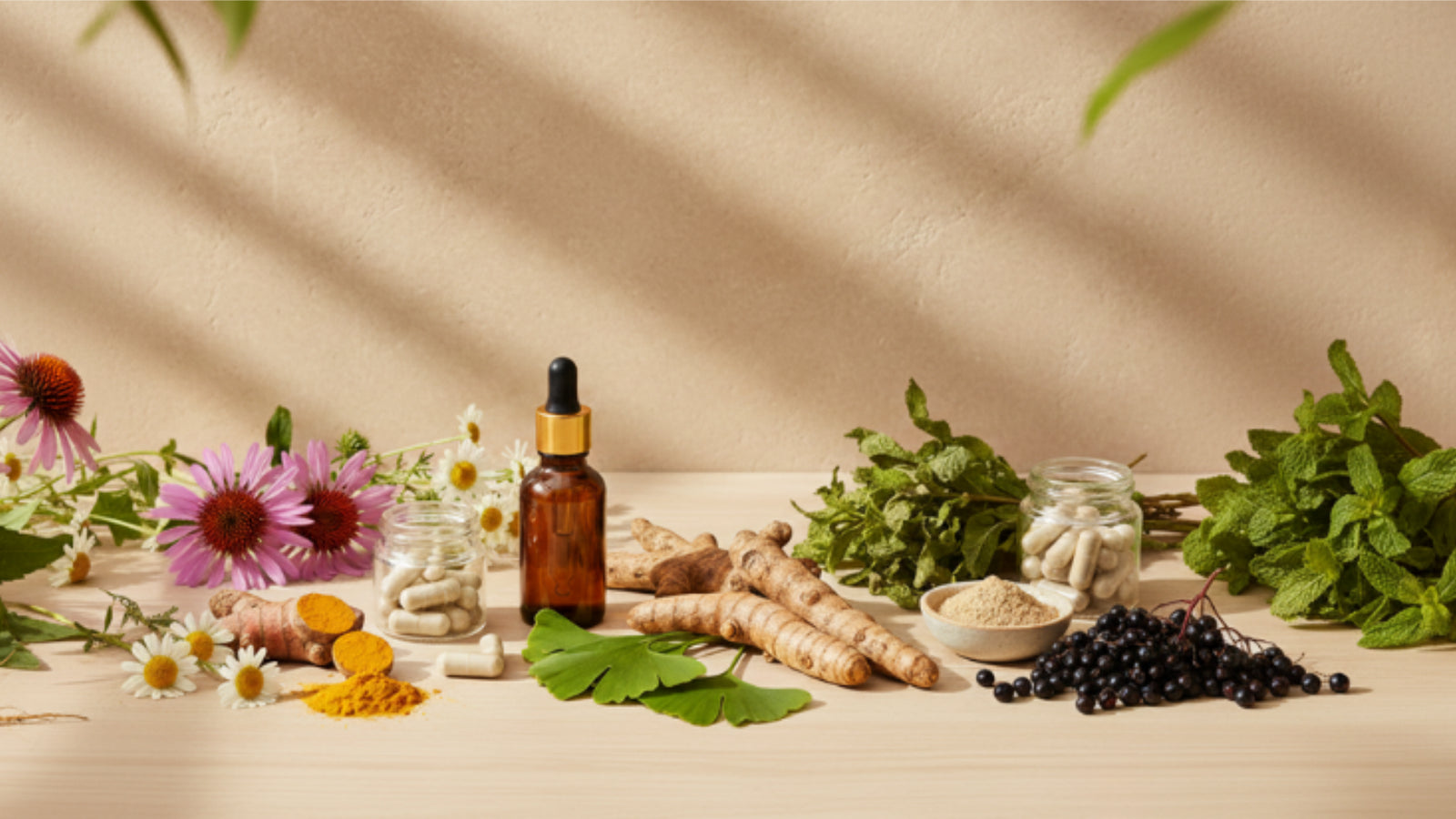
Most of it comes from plants.
Leaves, roots, sometimes seeds or extracts.
Nothing new in terms of origin. These things have been used for a long time.
The difference now is how they’re packaged and used.
Capsules, powders, teas… whatever fits easier into a routine.
It’s more about convenience now than tradition.
Why People Even Bother With Them
Usually because something feels off. Low energy, stress, sleep issues… it’s rarely just one thing. And instead of jumping straight into something heavy, people look for something lighter first. That’s where herbs come in. Not always dramatic. Just gradual support. At least that’s the idea.
How They Actually Work (Without Overcomplicating It)
Every plant has compounds inside it. That’s what does the work. Some affect stress, some digestion, some focus. It depends on the plant. And it’s not always one-directional either.
Some can feel different depending on how much you take or how often you use it.
That’s why people don’t always describe the same results.
What People Tend To Notice First
Not everything at once. Usually one thing stands out. Maybe sleep improves a bit. Or stress feels more manageable. Sometimes it’s energy, but not in a sharp way.
More like you just don’t feel as drained. That’s usually how it shows up.
Some Names That Come Up A Lot
You’ll hear the same ones pretty often. Echinacea for immune support. Ashwagandha for stress. Ginkgo for focus. Turmeric for inflammation. Valerian root, when sleep becomes a problem.
Those are the common ones.
There are a lot more, but most people start there.
It’s Not Just About The Herb
This part gets missed early on.
Quality matters more than the name. Where it’s sourced, how it’s processed, whether it’s consistent… all of that changes the outcome. Two products with the same label can feel completely different. That’s usually something people figure out after trying a few options.
Adding It Into A Routine
Most people don’t overhaul everything at once.
They start small. One supplement, maybe two. See how it feels, adjust from there.
That’s usually the smarter way to do it. Trying too much at once just makes it harder to tell what’s working.
What Still Matters More Than Supplements
This part doesn’t change.
Sleep, diet, movement… those are still the foundation.
Herbal supplements don’t replace that.
They just sit alongside it.
That’s where they tend to work best.
Final Thoughts
Herbal supplements aren’t complicated once you strip it down.
They’re just tools.
Some help with stress, some with energy, some with sleep. The real difference comes from how you use them and what you pair them with. Most people figure that out over time.
Not all at once.


