



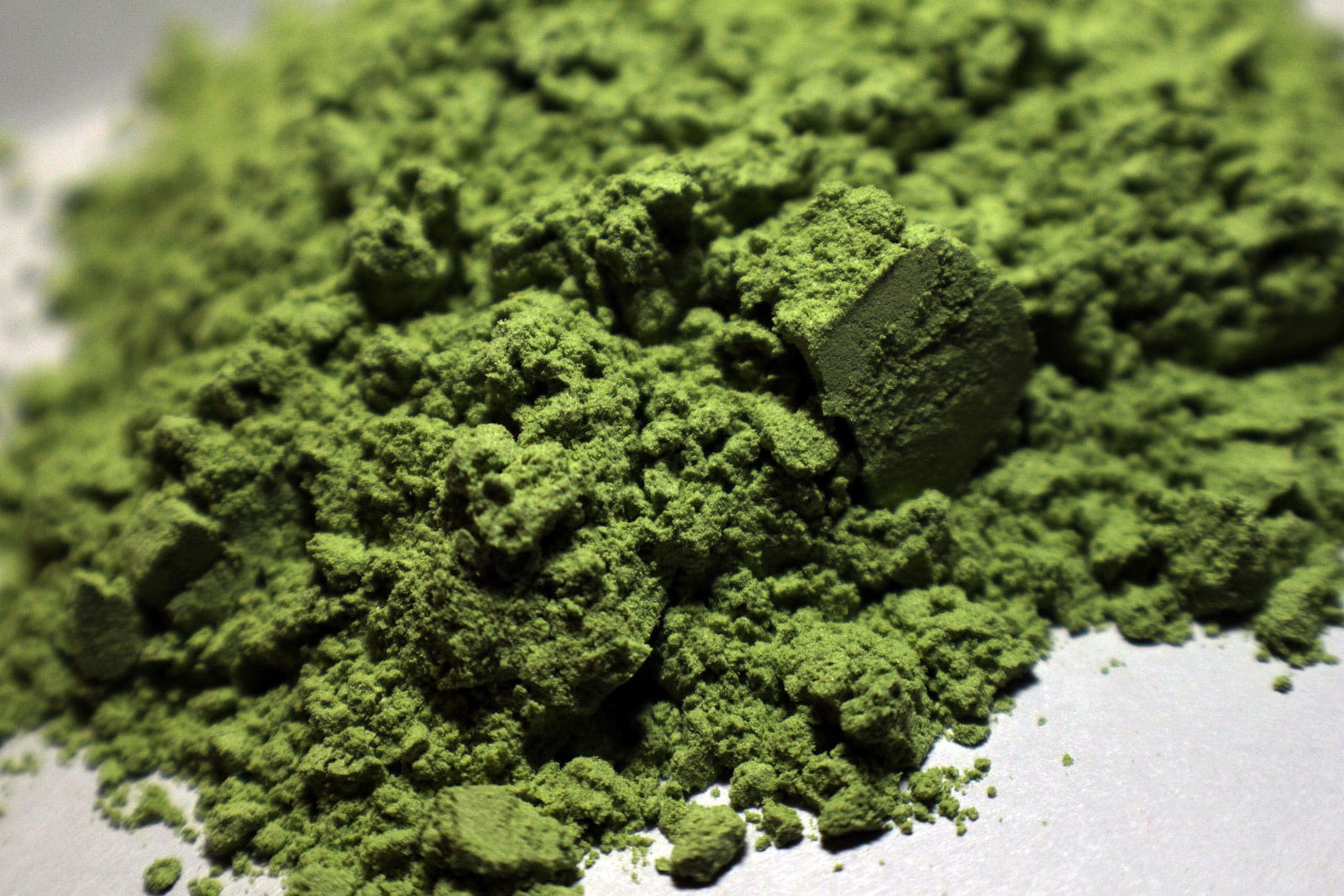
Walk into any natural health store, browse any supplement forum, or spend five minutes on a kratom community thread and you'll find kratom powder front and center. It's the most widely sold form of kratom, the most affordable, and in many ways the most versatile. Yet for every experienced user who has dialed in a solid routine, there are dozens of newcomers staring at a bag trying to figure out what they're actually holding.
That confusion is worth addressing head-on. Kratom powder is not a mystery ingredient. It comes from a real plant, with documented alkaloids, dose-dependent effects, and a body of research that's growing fast. This guide covers what kratom powder actually is, how the leaves become the powder in that bag, what vein colors mean for your experience, how to dose it correctly, and what the current science says about safety. No hype in either direction.

Table of Contents
- From Southeast Asia's Forests to Your Cup
- What Kratom Powder Actually Is (and What It Isn't)
- Vein Colors and What They Mean for Effects
- How to Take Kratom Powder Without Hating It
- Kratom Powder Dosage: Where to Actually Start
- What Kratom Powder Does in Your Body
- The Honest Conversation About Side Effects and Risks
- Kratom Powder vs Other Forms: What to Pick When
- Buying Kratom Powder: What Separates Quality From Junk
- Final Thoughts
TL;DR
- Kratom powder is dried, ground Mitragyna speciosa leaf -- a tree native to Southeast Asia's rainforests
- The primary active alkaloid is mitragynine, which binds opioid receptors; effects are dose-dependent
- Red vein leans toward relaxation and pain relief; green vein balances energy and calm; white vein is the most stimulating
- Start at 2-3 grams measured on a kitchen scale -- never eyeball it
- A January 2026 clinical study found dried kratom leaf powder "safe and well tolerated" in 116 healthy adults over 47 days
- Only buy from vendors who publish batch-level third-party lab results and follow GMP standards
From Southeast Asia's Forests to Your Cup
Kratom grows on Mitragyna speciosa, an evergreen tree indigenous to Thailand, Indonesia, Malaysia, and Papua New Guinea. The same humid tropical belt that produces teak and rubber trees also produces kratom. Farmers in regions like West Kalimantan in Indonesia have worked with kratom leaves for generations -- traditionally chewing fresh leaves for mild stimulation during long harvests and field work. The dried powder form is a Western adaptation that made the plant shippable and scalable.
What the kratom powder market has become is not small. The global kratom market reached $2.19 billion in 2024 and is projected to grow to $7.80 billion by 2032, a compound annual growth rate of 17.2%, according to EZ Kratom's industry analysis. Nearly 20 million Americans now use kratom regularly, per the same source. That's not a fringe supplement. That's a mainstream botanical category. The numbers explain why you're seeing it on more shelves, in more forms, from more vendors every year.
After harvest, leaves go through a drying phase before being milled. The conditions of that drying -- indoors vs. outdoors, with or without UV exposure, short or long duration -- determine the vein color designation. Once dried, the leaves are ground into the fine powder you find in bags and capsules. Nothing extracted, nothing added. The alkaloids stay exactly where they were in the plant.

What Kratom Powder Actually Is (and What It Isn't)
The short version: kratom powder is dried, ground Mitragyna speciosa leaf. The longer version involves alkaloids. Kratom leaves contain dozens of active compounds, but two do most of the work -- mitragynine and 7-hydroxymitragynine (7-OH). Mitragynine is the primary alkaloid, typically making up 1.2% to 2.0% of dried kratom leaf weight. 7-OH is present at far lower concentrations but is significantly more potent at opioid receptors. What you're buying when you buy raw kratom powder is the full-spectrum leaf -- no concentration, no extraction. The alkaloid ratios are what the plant produced.

Kratom Extract vs Powder: The Key Difference
Kratom extract is not the same product. Extract puts raw powder through a solvent extraction process to concentrate the alkaloids into a smaller volume. The result is usually labeled with a ratio (5x, 10x) or an alkaloid percentage. A 1-gram dose of 10x extract is not the same as 1 gram of powder -- not even close. For newer users: start with powder, not extract. The potency scaling in extract is steep, the margin for error is narrow, and the tolerance it builds comes faster. For a full comparison of when each format earns its place, GRH Kratom's extract vs. powder breakdown is thorough and honest.
Vein Colors and What They Mean for Effects
Three main categories: red, green, and white. Each has dozens of strain names underneath (Maeng Da, Bali, Borneo, Thai, Malaysian), but the vein color is the bigger predictor of the general effect profile. The strain name matters less than most people think. The drying process matters a lot.
Red Vein Kratom Powder
Red vein is the bestseller for a reason. Extended drying -- often with UV exposure or longer fermentation-like conditions -- shifts the alkaloid profile toward more oxidized compounds. The result is a heavier, more sedating effect that leans toward relaxation and physical discomfort relief. Red Bali kratom powder is smooth and moderate. Red Maeng Da hits harder and faster. People reach for red vein when pain relief is the goal or when the aim is to wind down at the end of the day.
Green Vein Kratom Powder
Green vein sits in the middle. Shorter, more balanced drying keeps a broader range of alkaloids active, producing an effect profile that delivers mild energy alongside some relaxation. That's why kratom powder green is often called the "all-day" option. Green Malay, Green Maeng Da, and Green Borneo are common and forgiving for newer users because the effects don't lean hard in either direction. Someone managing a moderate afternoon energy slump without wanting to feel wired often lands here first.
White Vein Kratom Powder
White vein is the stimulating end of the spectrum. Fast indoor drying preserves higher concentrations of mitragynine relative to its oxidized counterparts. The result is a cleaner, more alert state without as much sedation. White Maeng Da and White Borneo are the most common. If you're sensitive to stimulants -- caffeine sensitivity, anxiety history -- start at the low end with white vein and adjust from there.

How to Take Kratom Powder Without Hating It
Blunt truth: kratom powder tastes bad. Earthy, bitter, grassy -- no amount of processing changes that. What changes is how you get it down.
| Method | Ease | Onset Time | Taste Impact |
|---|---|---|---|
| Toss and wash | Medium | 20-30 min | High (full flavor) |
| Kratom tea | Moderate | 30-40 min | Mild (filterable) |
| Mixed in citrus juice | Easy | 20-30 min | Moderate (masked) |
| Capsules (self-fill or pre-made) | Very easy | 45-60 min | None |
| Smoothie or yogurt | Easy | 30-45 min | Minimal |
The Toss-and-Wash Method
Measure your dose. Put the powder on the back of your tongue. Wash down immediately with water, orange juice, or any acidic drink. Done. It's fast and widely used. The downside? For anyone who gags easily or who has ever inhaled powder mid-toss, this isn't fun. Most people who use this method divide a dose into two or three smaller passes rather than one big toss. Practice helps. Not immediately, but it does.
Making Kratom Tea
Simmer water (don't boil -- excessive heat degrades alkaloids). Add measured kratom powder. Steep 15-20 minutes, then strain through a coffee filter or fine mesh. Add honey, lemon, or ginger for taste. Kratom tea has a gentler onset and is easier on the stomach than toss-and-wash for most people. If you want to expand beyond basic brewing, GRH Kratom's recipe guide covers tea, kratom oats, smoothies, and more. And if you're into building your own vein-color blends at home, their blending guide is worth a read.
Mixing into Drinks
Citrus juice is a popular base because the acidity may help extract alkaloids from the plant matrix -- a process the community calls potentiation. Orange juice, grapefruit juice, and lemonade all work. Chocolate protein shakes and thick yogurt mask the flavor almost completely. Whatever you mix into: don't use anything hot after brewing. Adding powder to a hot drink after the fact can degrade the alkaloids you're paying for.

Kratom Powder Dosage: Where to Actually Start
This is where people go wrong most often. A tablespoon of fine kratom powder can hold anywhere from 2.5 to 4.5 grams depending on how loosely or tightly it's packed. That's not a minor variance -- that's the difference between a light experience and a nauseating one. Use a kitchen scale. One accurate to 0.1 grams costs under fifteen dollars and removes all the guesswork from kratom powder dosage.
| Tier | Dose Range | What to Expect |
|---|---|---|
| Threshold | 1-2g | Subtle; noticeable only in sensitive individuals |
| Light | 2-3g | Mild stimulation (white/green) or mild relaxation (red) |
| Moderate | 3-5g | Clear effects; where most daily users land |
| Strong | 5-8g | Pronounced sedation or pain relief; not for beginners |
| Heavy | 8g+ | High nausea risk; significant tolerance acceleration |
A survey of 129 regular kratom users in the U.S. found most consumed 1-3 grams per dose, with 33% reporting 4-6 grams per dose, according to research cited by Drugs.com. Those numbers track with what kratom communities report: the 3-5g moderate range covers most daily users.
The conservative approach that experienced users recommend consistently: start at 2 grams, wait a full 30-45 minutes, assess, and add 0.5 grams per session if needed. Never increase the dose on the same day if you decide the first dose wasn't strong enough. Wait a day. This slows tolerance accumulation significantly.
A checklist for anyone starting out:
- Pick your vein color based on the effect you're after (red = relax, green = balance, white = energy)
- Measure your dose on a kitchen scale -- never a spoon
- Choose your consumption method before you dose (toss-and-wash, tea, or juice)
- Take on a relatively empty stomach for faster onset
- Wait a full 30-45 minutes before assuming the dose isn't working
- Track your experience: strain, dose, onset time, duration, and effects

What Kratom Powder Does in Your Body
The mechanism isn't complicated once you have the frame. Mitragynine and 7-hydroxymitragynine bind to opioid receptors in the brain, primarily mu-opioid receptors -- the same receptors targeted by pharmaceutical pain medications. That partial binding is why the FDA classifies kratom as an opioid-like substance, and it's also why kratom produces dose-dependent effects. More isn't just stronger; at a certain threshold it's a qualitatively different experience.
Effects at Lower Doses
In the 2-4g range, the stimulant alkaloids dominate. What most users describe: increased alertness, mild euphoria, improved focus, reduced social anxiety, and a low-level energy lift. This is what does kratom do at light doses -- it behaves more like a strong coffee than an opioid. White and green vein kratom powders are most associated with this profile. The kratom benefits reported in this range are why some people use it as a morning routine supplement or a workday focus aid.
Effects at Higher Doses
At 5 grams and above, the opioid receptor binding dominates. Sedation comes in, muscle tension decreases, and pain relief becomes more pronounced. Red vein kratom powder is most associated with this profile. The analgesia is real for many users -- and that's why some people managing chronic pain or opioid withdrawal reach for kratom. The research base for these applications is still limited. Anecdotal reports are plentiful. Controlled clinical trials are not.

The Honest Conversation About Side Effects and Risks
The kratom drug classification by the FDA is not without basis. Kratom side effects are real. At too-high a dose -- especially for newer users or anyone dosing on an empty stomach -- nausea, dizziness, and vomiting are common. That's the most frequent acute complaint. Not pleasant, and entirely avoidable with proper dosing.
With regular heavy use, the picture gets more complicated. Kratom dependence is documented. Stopping high-dose daily kratom use can produce withdrawal symptoms: irritability, insomnia, muscle aches, and cravings. Not as severe as opioid withdrawal in most user-reported accounts, but uncomfortable enough that "kicking kratom" has entire community forums dedicated to it. Is kratom addictive? The more precise answer: kratom can produce physical dependence in heavy users. Full addiction (compulsive use despite harm) appears less common than with traditional opioids, but it does happen.
In July 2025, the FDA recommended a scheduling action specifically for 7-hydroxymitragynine, the secondary alkaloid, moving to place it under more controlled regulatory oversight, according to Kratom World's regulatory summary. The action was narrow -- targeting 7-OH specifically, not kratom broadly -- but it signaled continued federal scrutiny on the potency end of the product spectrum.
At the state level, the picture shifted in the opposite direction. South Carolina, Mississippi, South Dakota, and Florida all passed Kratom Consumer Protection Act (KCPA) legislation in 2025, creating regulatory frameworks built on quality standards and age restrictions rather than prohibition. That's meaningful: states are choosing to regulate kratom like a supplement, not ban it outright.
Context matters on the safety data. A January 2026 clinical study in Therapeutic Drug Monitoring -- the largest controlled kratom administration study to date -- found dried kratom leaf powder was "safe and well tolerated" in 116 healthy adult volunteers over 47 days, with no serious adverse events reported, per Kratom World's summary. Meanwhile, the CDC's MMWR report documented a more than 1,200% increase in kratom-related poison center calls between 2015 and 2025, with most cases involving kratom combined with other substances, not kratom alone.
The responsible-use framework the community generally agrees on: start low, dose infrequently (not daily), take planned breaks, never mix with alcohol or CNS depressants, and stop if tolerance is accelerating. A three-days-on, four-days-off rotation is a common structural choice that slows tolerance build significantly compared to daily use.

Kratom Powder vs Other Forms: What to Pick When
Powder isn't the right format for every situation. Here's where each one earns its place.
Kratom powder: Best for flexibility and cost. You control the exact dose, you can brew kratom tea, mix it into drinks, or self-fill capsules. Cost per gram is the lowest of any format. For home use with a scale, this is almost always the smarter choice.
Kratom capsules: Best for convenience and bypassing the taste entirely. Each capsule holds about 0.5-0.6 grams, so kratom powder vs capsules comes down to speed versus ease -- capsules are slower to onset (the gelatin has to dissolve first) and cost more per gram, but they're dead simple for busy days or travel.
Kratom drink (pre-brewed or bottled): Convenient but variable. The alkaloid content in commercial kratom drinks depends heavily on the extraction process of whoever made it, and batch-to-batch consistency is harder to verify than with raw powder.
Kratom extracts: For experienced users only. If you've been using powder for a while and want a higher-potency option, extract can make sense. Not before then.

Buying Kratom Powder: What Separates Quality From Junk
The kratom powder market is unregulated at the federal level. That gap is real, and the quality difference between vendors is significant. Here's the checklist for evaluating any vendor before you buy:
- Third-party COA on every batch: A Certificate of Analysis from an independent lab should confirm mitragynine percentage, absence of heavy metals (lead, arsenic, mercury, cadmium), absence of microbial contamination (salmonella, E. coli), and no adulterants. If a vendor can't produce a current, batch-specific COA, don't buy from them.
- GMP compliance or AKA certification: American Kratom Association certification includes GMP qualification as a requirement. It's not a federal standard, but it's the best available third-party signal for production quality.
- No medical claims: Vendors who claim kratom powder "treats pain," "cures anxiety," or "replaces opioids" are making illegal drug claims and are almost universally the wrong vendors to trust with quality.
- Batch dates and proper packaging: Kratom powder degrades with heat, light, and moisture. Sealed, opaque packaging and visible batch dating signal a vendor who takes freshness seriously.
- Responsive customer support: Good vendors can answer questions about their sourcing, testing lab, and alkaloid content. Vague or evasive responses are a signal.

If You're Ready to Try the Best Kratom Powder Available
GRH Kratom produces red, green, and white vein kratom powders with GMP-qualified production and batch-level third-party lab testing. If you want kratom leaf powder from a vendor that doesn't cut corners on quality documentation, browse the GRH Kratom powder lineup here. Every batch is tested before it ships.
Final Thoughts
Kratom powder is not a mystery ingredient. It's dried, ground Mitragyna speciosa leaf with a documented alkaloid profile, dose-dependent kratom effects, and a research base that's finally starting to catch up to the millions of people already using it. That context matters.
What it's not: a guaranteed treatment for anything, a risk-free daily supplement, or a product to buy based on marketing claims. The FDA's caution is grounded in real data on dependence and adverse events at high doses. So is the January 2026 clinical study showing kratom powder was safe and well tolerated in controlled conditions. Both things can be true at once.
The practical path forward: know what you're buying, measure what you take, pick a vein color that matches your goal, and don't accelerate dosing faster than your body needs. The community has been working out those answers for decades. The collective knowledge is worth reading. Start low, track your experience, and give it time before you judge the results.


