



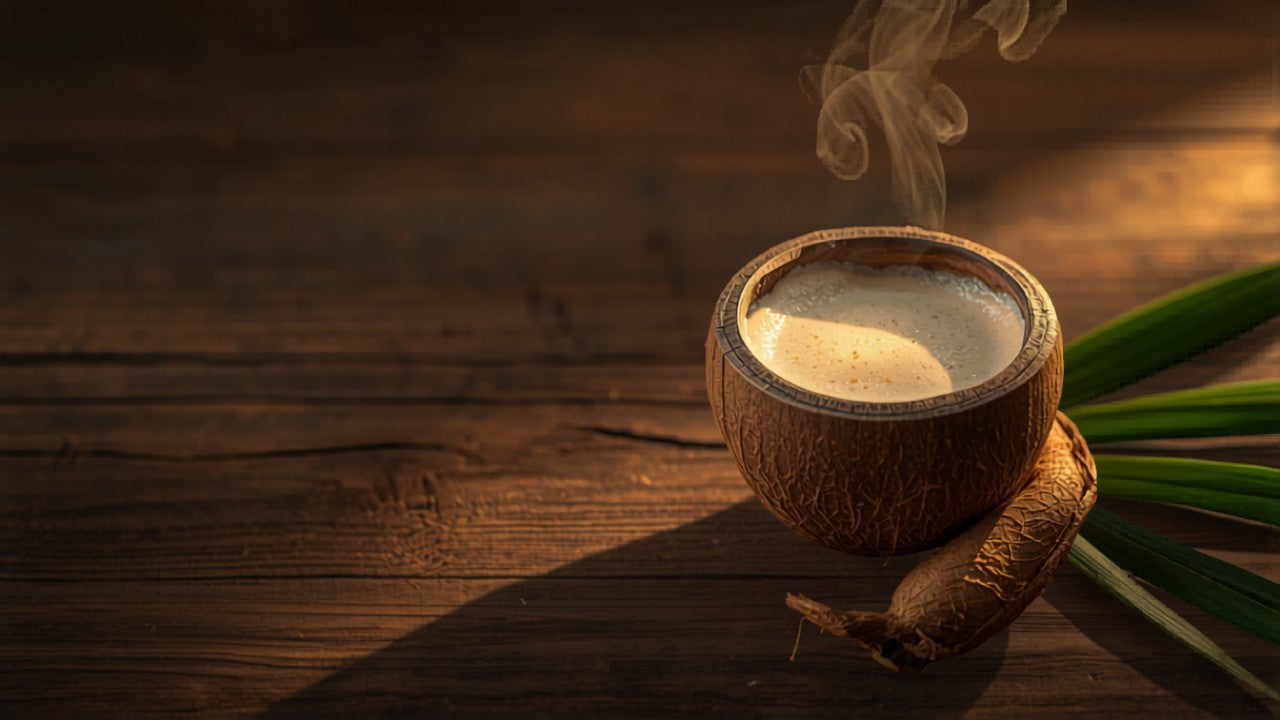
If you have been wondering what does kava taste like, you are not alone. Some drinkers swear it tastes like muddy rainwater poured through a peppercorn. Others call it earthy and grounding, almost herbal in a comforting way. Both groups are telling the truth, because kava's flavor sits in a narrow band of earth, root, and bitter pepper that lands differently on every palate.
Here at GRH Kratom we get the same question almost every week: what does kava taste like, really, before someone has tried it? People walk away from a single tiki-bar shell unsure what they just drank. The honest answer is that kava tastes like something the modern grocery aisle simply does not stock, which is part of why it has stayed niche for so long. According to the National Center for Complementary and Integrative Health, the active compounds in kava (called kavalactones) make up roughly three to twenty percent of the dried root, and those same compounds are what drive the bitterness and the famous tongue-numbing sensation. So the strange flavor is not a bug, it is a chemical fingerprint (NCCIH on kava).
This guide answers what does kava taste like on the first sip, why preparation method shifts the flavor so dramatically, how noble and tudei cultivars differ on the palate, and the small tricks regular drinkers use to make the taste more enjoyable. By the end you will know exactly what to expect before you ever lift the bilo cup.
Table of Contents
- The Quick Answer: Earthy, Peppery, and Honestly Bitter
- Why Kava Tastes the Way It Does
- Noble vs. Tudei Kava: How Cultivar Changes Flavor
- The Kava Flavor Wheel: Real Descriptors Drinkers Use
- Preparation Method vs. Flavor Outcome
- Your First Sip: What the Bilo Cup Actually Delivers
- The Tongue-Numbing Sensation and Why It Is Normal
- How Long the Aftertaste Lingers
- Tips That Genuinely Improve Kava Taste
- Flavored Kava: When the Earthy Profile Goes Tropical
- Frequently Asked Questions
- Final Thoughts
TL;DR
- The short answer to what does kava taste like: an earthy, peppery, slightly bitter range that most newcomers compare to muddy water, herbal tea, or wet bark with a black-pepper finish.
- The bitterness comes from kavalactones, the same compounds responsible for kava's relaxing effects. Stronger drinks taste stronger, with no real way around it.
- Noble kava cultivars tend to be smoother and more drinkable. Tudei (two-day) cultivars taste harsher and produce a longer, heavier mouth experience.
- Traditional water-extracted kava tastes more raw and gritty. Micronized and instant versions are easier on the palate but still carry that signature earth note.
- The tongue-numbing tingle is a built-in feature, not a problem. It usually starts within thirty seconds of the first sip and fades in five to ten minutes.
- Chilled kava, citrus chasers, pineapple juice, and a pinch of coconut cream are the four tricks every kava bar uses to soften the taste for first-timers.
- Flavored kava drinks (think tropical fruit blends) keep the active kavalactones but mask most of the earthy flavor, which makes them the easiest entry point.
- If you hated kava on your first try, the cultivar, freshness, or preparation method was probably the issue, not the entire category.

The Quick Answer to What Does Kava Taste Like
The shortest fair description we can give is this: kava tastes like very strong, slightly muddy herbal tea with a peppery finish and a mild numbing afterglow. The earthiness comes from the fact that you are drinking ground-up root, not a leaf or a berry. That distinction matters because most teas Americans grew up on are leaf based and lean toward floral or grassy. Kava drink starts from a fibrous root, which pushes the flavor toward soil, bark, and dried herb.
People searching for "kava taste" online almost always land on the same three descriptors: earthy, bitter, and peppery. The order of those three depends on cultivar, freshness, and how strong the brew is. A thin one-tablespoon serving will read mostly as earthy with a soft bitter back end. A traditional fresh-root preparation poured at full strength will hit the bitter first, the pepper second, and leave a long earthy aftertaste that lingers for several minutes. Neither version tastes like anything in the modern soft-drink aisle, which is part of the charm.

Why Kava Tastes the Way It Does
Kava flavor is not random. It traces directly back to the chemistry of the root. The active compounds, kavalactones, are extremely bitter on their own. Memorial Sloan Kettering reports that traditional kava preparations typically deliver between 70 and 250 milligrams of kavalactones per serving, depending on the cultivar and preparation strength (MSKCC on kava). The higher the kavalactone load, the more pronounced the bitterness.
Two other ingredients shape the experience. First, there are plant fibers and starches in the root that water never fully dissolves, which gives traditional kava that thin, slightly chalky body. Second, there are trace alkaloids and volatile compounds that add the herbal, slightly grassy note in the background. Together, those three families (kavalactones, fibers, and minor alkaloids) build the taste profile drinkers describe as "muddy water with a peppery kick." It is not subtle, but it is consistent. Once you know the profile, kava starts tasting like kava and not like something undefined.
Noble vs. Tudei Kava: How Cultivar Changes Flavor
Not all kava plants are interchangeable. Pacific Island farmers distinguish between noble cultivars (the daily-use, well-balanced varieties prized in places like Vanuatu and Fiji) and tudei cultivars (literally "two day," named because the effects can last that long). The two groups taste meaningfully different.
Noble kava taste tends to be cleaner, lighter, and slightly sweeter underneath the bitterness. Drinkers often describe it as drinkable enough to enjoy multiple shells in one sitting. Tudei kava, on the other hand, carries a harsher, more aggressive bitterness with stronger black-pepper notes and a heavier, almost vegetal aftertaste. A peer-reviewed kavalactone profile analysis published in PMC documents these chemotype differences in detail, noting that tudei cultivars contain more flavokavain B, the compound linked to harsher flavor and longer body load (PMC kavalactone profile review).
If you bought kava and the flavor felt overwhelming or punishing, there is a reasonable chance it was a tudei cultivar or a noble-tudei blend. Reputable kava bars and brands stick to noble cultivars for daily drinking, which is one reason their drinks are easier on the palate.

The Kava Flavor Wheel: Real Descriptors Drinkers Use
Asking ten kava drinkers what kava tastes like will get you ten slightly different answers, but the descriptors cluster predictably. Here is the flavor wheel we have seen hold up across thousands of customer conversations and online kava community threads.
| Flavor Family | Common Descriptors | When You Notice It |
|---|---|---|
| Earthy | Wet soil, damp bark, forest floor, garden hose | First sip and aftertaste |
| Peppery | Black pepper, white pepper, slight chili tingle | Mid-sip, especially with stronger brews |
| Bitter | Dark leafy greens, walnut skin, raw kale | Back of the tongue, throughout |
| Herbal | Chamomile, dried sage, light hay | Faint background note |
| Woody | Cedar shavings, dried twig, raw wood | Mid-palate on noble cultivars |
| Numbing | Mild dental anesthetic, slight tingle | Within thirty seconds of first sip |
That numbing note is not technically a flavor, it is a physical sensation, but every flavor wheel for kava includes it because drinkers feel it before they taste anything else. It is one of the things that makes kava recognizable even when blended into other drinks.

Preparation Method vs. Flavor Outcome
How kava is prepared changes the taste almost as much as the cultivar does. The same root can land as smooth and drinkable or rough and challenging depending on whether it was hand-pressed, blended, or pre-mixed by a manufacturer. Here is a quick map of the main preparation styles and what each one delivers on the palate.
| Preparation | Texture | Flavor Intensity | Best For |
|---|---|---|---|
| Traditional water-extracted (medium grind) | Thin, slightly gritty | Strong, classic kava taste | Purists and kava-bar regulars |
| Micronized kava | Smooth, slightly powdery | Moderately strong, balanced | Home use without a strainer |
| Instant kava | Light, almost watery | Mildest of the traditional formats | First-time drinkers |
| Kava tincture or extract | Concentrated drops | Sharp bitter hit, short duration | Quick effect, easy travel |
| Flavored kava drink (ready to drink) | Soda-like | Earthy notes masked by fruit | Newcomers and social settings |
One small note: traditional kava preparation, the way it is still served across the South Pacific, almost always tastes more intense than anything you brew at home from a kit. Part of that is grind size, part of it is fresh root versus dried, and part of it is the practiced technique of pressing the root through a cloth strainer many times to pull out the active compounds. If your only reference for kava flavor is store-bought instant, you have not yet met traditional kava at full strength.

Your First Sip: What the Bilo Cup Actually Delivers
If you visit a kava bar in the United States, you will likely be handed a half coconut shell, called a bilo, filled with a few ounces of fresh-pressed kava. The traditional move is to drink it in one shell-down pour rather than sipping. This is partly cultural and partly practical, because the flavor improves when it is over quickly.
The first sensation is texture: cool, slightly thicker than water, with a faint chalkiness. The flavor unfolds in three phases. First, an earthy wave that hits the front and middle of the tongue. Second, a peppery bitterness that builds toward the back. Third, the numbing tingle, which usually begins within fifteen to thirty seconds after the shell is empty. Many kava bars hand you a slice of pineapple or a small lime wedge to chase the shell, and that is not just for show, the citrus genuinely resets the palate.
If you have read coverage from the recent wave of kava-bar openings around college towns and major metros, you may have noticed how often first-time drinkers describe being surprised by the flavor. WUFT covered the kava bar trend in Florida and quoted regulars saying their first shells were "rough" but that the flavor grows on them as the relaxation kicks in (WUFT on the rising kava bar scene). That is a near-universal pattern. The taste is not love at first sip for most people, but it is also not the deal-breaker it sometimes sounds like online.

The Tongue-Numbing Sensation and Why It Is Normal
One of the most-discussed elements of kava drinking is the mild tongue-numbing tingle that follows the first sip. It feels somewhere between the mild buzz of carbonated water and the light freeze of dental anesthetic. The Australian Alcohol and Drug Foundation notes that this anesthetic-like sensation is a recognized property of kavalactones acting on local nerve endings, not a defect or sign of contamination (ADF kava drug fact sheet).
For most drinkers the tingle peaks one to two minutes after the shell, stays present for five to ten minutes, then fades smoothly. It is sometimes accompanied by a slight tightening of the lips, which is also normal. If the numbing feels intense the first time, take that as a signal that the brew is strong and pace yourself. If it does not show up at all, the kava is probably weak, stale, or extremely instant style.
How Long the Aftertaste Lingers
Kava aftertaste sticks around longer than coffee or tea, which catches some newcomers off guard. The earthy, slightly bitter note can stay on the palate for ten to thirty minutes if you drink it neat. That is one reason traditional servings include a chaser. A small amount of pineapple, mango, lime, or even a salty snack will cut the lingering taste within a few sips.
The aftertaste also varies with preparation. Strong traditional water-pressed kava lingers the longest. Instant kava clears within minutes. Flavored kava drinks (the ready-to-drink fruit-blend style) leave almost no recognizable kava aftertaste because the fruit acids and sweeteners override the bitter compounds at the front of the palate. If you are someone who genuinely cannot tolerate lingering bitter flavors, flavored kava is the format built for you.
Tips That Genuinely Improve Kava Taste
You do not have to "learn to love" the raw flavor to enjoy kava. After years of customer conversations, these are the moves that actually work, in rough order of effectiveness.
- Drink it cold. Refrigerated kava is dramatically less bitter than room-temperature kava because cold temperature dulls the receptors that read bitterness. This single change is the biggest taste win available.
- Use a citrus chaser. A wedge of lime, lemon, or pineapple right after the shell resets the palate within seconds. Kava bars hand these out for a reason.
- Add a splash of pineapple juice. Pineapple is the most popular kava mixer in the Pacific because the natural acid and sweetness mask the earthiness without weakening the active effect.
- Try coconut water or coconut milk. A few tablespoons of coconut milk give kava a smoother, slightly creamy body and turn the bitterness into a more rounded earthy-nutty profile.
- Pick noble cultivars. If you have only tried tudei or unknown-origin kava, switching to a verified noble cultivar can flip your opinion of kava taste entirely.
- Drink on a near-empty stomach. A light snack thirty minutes before is fine. A full meal will slow absorption and make the flavor feel heavier on the palate.
- Use a finer strainer at home. A pressed-cloth strain removes most of the gritty fiber that causes the chalky mouth feel many newcomers dislike.
- Try flavored kava first. If you are completely new to the category, starting with a ready-to-drink flavored kava lets you meet the active effect without negotiating the earthy taste.

Flavored Kava: When the Earthy Profile Goes Tropical
The fastest-growing corner of the kava market is flavored, ready-to-drink kava extract, sometimes blended with a small amount of kratom for added relaxation or mood support. These drinks are formulated to deliver kavalactones in a profile that drinks more like a tropical soda and less like a traditional shell. The earthy flavor is still there if you concentrate, sitting underneath the fruit, but the bitterness is dramatically softened.
If you have ever wished kava just tasted like a beachside cocktail without losing the calm-down effect, flavored kava is built around that exact pain point. Our own customers tend to start with this category before working up to traditional preparations, and most never feel a need to leave it.

Frequently Asked Questions
Does kava taste bad?
When people ask what does kava taste like, the follow-up is usually whether it tastes bad. Kava tastes strong and earthy, which some drinkers find unpleasant on the first try and others enjoy from the start. It is not bad in the sense of spoiled or off, it is just a flavor profile most modern palates have never met. Around half of first-time drinkers come around to the taste after three or four shells.
Is kava bitter the whole time?
The bitterness peaks during the sip and the first thirty seconds after. It then fades into an earthy aftertaste that is much milder. A citrus chaser cuts the bitterness almost completely within ten seconds.
What does kava tea taste like compared to fresh kava drink?
Kava tea, the kind you steep from a teabag, tastes milder, more herbal, and significantly less bitter than fresh-pressed kava. The extraction is weaker, so the kava tea kavalactone load is lower, and the resulting flavor reads closer to chamomile with a faint earthy note rather than full muddy-water territory. If you have asked yourself what does kava taste like in tea form versus shell form, the tea is roughly a quarter of the intensity. Kava tea is also the friendliest format for anyone who likes herbal infusions but is nervous about the bitter shell.
Why does my tongue go numb when I drink kava?
Kavalactones interact with surface nerve endings in your mouth, producing a mild localized numbing sensation similar to weak dental anesthetic. It is harmless, expected, and typically fades within five to ten minutes.
Can you mix kava with other drinks to improve the taste?
Yes. Pineapple juice, coconut water, and citrus juices are the most popular mixers because they soften the bitterness without weakening the effect. Avoid carbonated mixers, which can amplify the peppery kick and irritate the tongue.
Why did my kava taste different from last time?
Three variables explain almost every batch-to-batch flavor shift: cultivar (different farms blend their kava differently), grind size, and freshness. Older powder oxidizes and tastes flatter. Buying from a single trusted source helps lock the flavor in.
Does flavored kava still work like traditional kava?
Yes, as long as the product lists a real kavalactone serving on the label. A flavored kava drink with 75 to 200 milligrams of kavalactones per serving delivers a comparable experience to a traditional shell, just with a more drinkable profile.
Is kava taste similar to kratom taste?
Both are earthy and bitter, but kratom leans more strongly bitter and dry, while kava has the distinctive numbing tingle and a softer, muddier finish. They are recognizable cousins on the palate but not interchangeable. For a side-by-side comparison, our team broke down the differences in our kava and alcohol guide, which also covers how kava fits into a sober-curious routine.
Final Thoughts
So, what does kava taste like in one honest sentence? Earthy, peppery, slightly bitter, and quietly numbing. Kava taste is unusual, but it is also consistent. Once you understand that this profile is a feature of the root chemistry and not a sign of a bad batch, the whole experience makes more sense. You start to taste the differences between cultivars, recognize when a brew is fresh versus tired, and develop personal preferences that have nothing to do with whether kava is "good" or "bad" in the abstract.
If you are still on the fence, our recommendation is to skip the deep end and start with a flavored ready-to-drink format. The GÜD Tonics line of kava drinks (our team's pick of the flavored category) keeps the relaxing kavalactone load intact while making the taste accessible from the first sip. GÜD Tonics Pink Sunset is a tropical-fruit-forward option that is genuinely easy to drink, and GÜD Tonics Baja Bliss is the cleaner, more grounded flavor in the lineup. Either one is a low-risk way to find out whether kava belongs in your evening rotation.

If you want to keep going after that, our broader what is kava guide covers cultivars, sourcing, and the South Pacific tradition in more depth, and our how long does kava stay in your system piece is useful if you are timing kava around work or social plans. Both lean on the same plain-spoken approach we use across the GRH Kratom blog.
If you give kava a fair shot and the flavor still does not click, that is honest feedback you can act on. There are plenty of relaxation routes that do not require negotiating a peppery, numbing, earthy root drink, and we cover several of them across our Kratom for Relaxation shelf. The point of any guide on what does kava taste like is to help you make an informed call, not to convince you that one specific category is the answer.


