



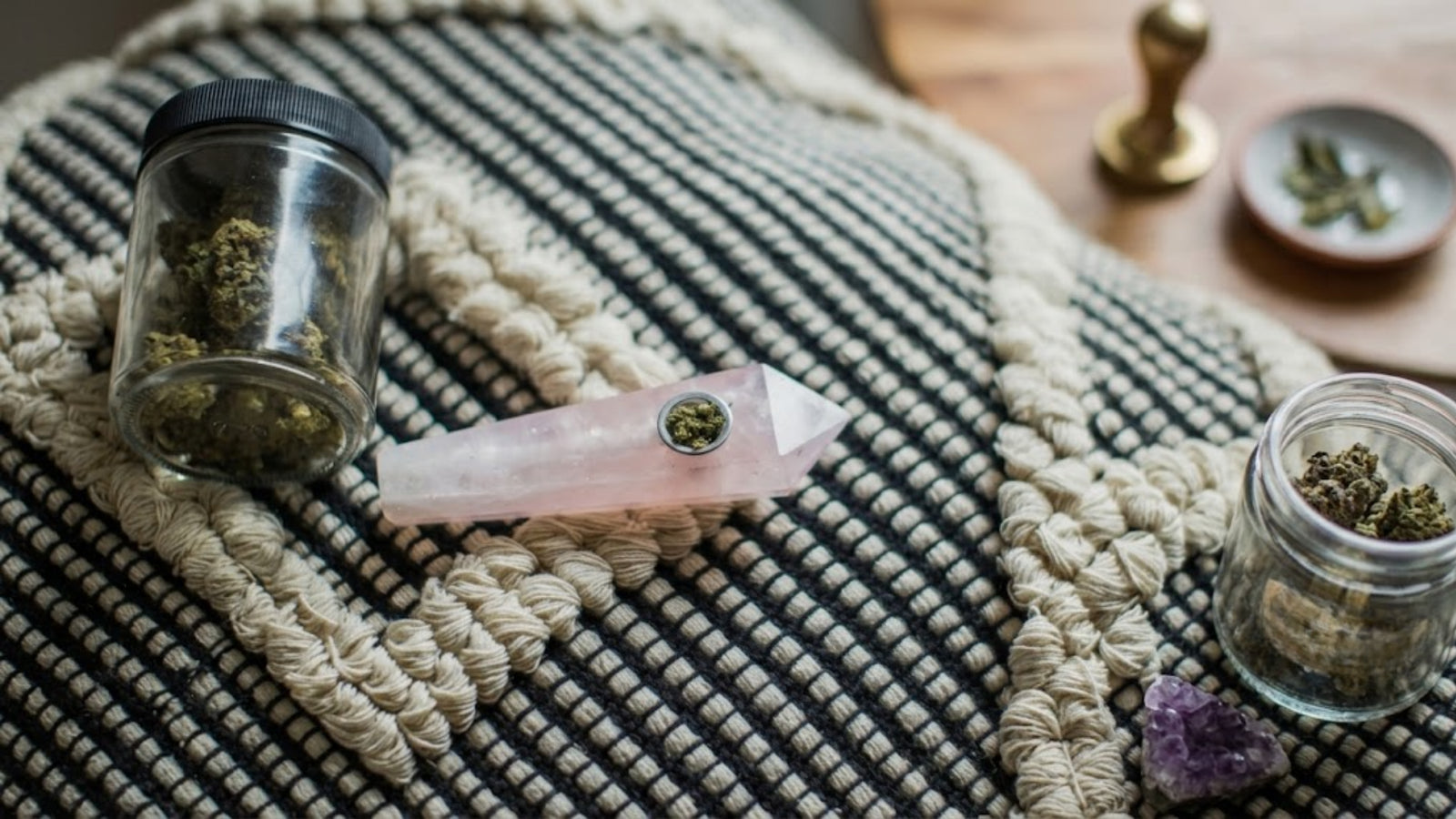
We get this question more often than you'd think, usually from someone curious whether kratom can be used the way cannabis or tobacco is. The short answer: yes, you physically can put kratom powder in a pipe or roll it in paper and light it, but doing so is one of the least effective and most harmful ways to use kratom. The chemistry, the lung physiology, and the actual user experience all point in the same direction.
This guide walks through what actually happens when kratom is smoked, why the alkaloids you came for get destroyed in the process, why your lungs are not the right delivery system for plant-based alkaloids that work fine when ingested, and what to do instead if you came to kratom looking for something faster than swallowing capsules.
We're going to keep things honest and grounded in actual chemistry and respiratory science. No scare tactics, but no pretending smoking kratom is a reasonable alternative to standard consumption methods either.
Table of Contents
- The Short Answer (and Why It's a Bad Idea)
- What Happens to Kratom Alkaloids When Burned
- The Lung Health Risks Specifically
- Where the "Smoke Kratom" Idea Came From
- Faster Alternatives That Actually Work
- If You're Still Curious: Harm Reduction Realities
TL;DR
- You physically can smoke kratom powder, but it produces almost no felt effect because combustion destroys the active alkaloids
- Mitragynine breaks down at temperatures well below the burning point of plant material; what reaches your lungs is mostly degraded compounds and combustion byproducts
- Smoking any plant material introduces significant lung-health risks including airway irritation, chronic inflammation, and long-term respiratory damage
- Faster alternatives that actually deliver kratom's effects include liquid extracts, shots, and tincture sublingual drops
- The "smoke kratom" idea is largely an internet myth amplified by curiosity rather than user reports of effectiveness
The Short Answer (and Why It's a Bad Idea)

If you came here looking for a yes or no answer, the honest version is: physically possible, functionally pointless, and meaningfully harmful. Almost every experienced kratom user who has tried smoking kratom describes the same outcome, wasted product, irritated lungs, and no felt effect.
Three Reasons It Doesn't Work
The reasons combine to make smoking kratom one of the worst ways to use the plant:
- Mitragynine, the primary active alkaloid in kratom, degrades at combustion temperatures (well above 200°C / 392°F) into inactive compounds before it can be absorbed
- Lung tissue is not optimized to absorb the specific alkaloid profile that kratom contains; the gut wall is the natural absorption pathway
- The bulk plant material in kratom powder produces significant smoke and combustion byproducts that irritate airways without delivering meaningful alkaloid load
The combined result is that you get almost no kratom effect, you damage your lungs, and you waste your product. Three losses, no wins.
What Users Actually Report
Reddit threads and kratom forums occasionally include users who have tried smoking kratom. The consistent feedback pattern across reports: harsh smoke, immediate coughing, no noticeable effect, and a sense of disappointment. We have not found a single experienced kratom user who recommends smoking as an effective consumption method.
Why This Question Keeps Coming Up
Most people asking about smoking kratom are extrapolating from cannabis or tobacco, where smoking is a viable consumption method because the active compounds are heat-stable and the doses involved are lower. Kratom's chemistry doesn't work that way. The compounds you want require oral absorption to reach your bloodstream in meaningful quantities.
What Happens to Kratom Alkaloids When Burned

This is where the actual science of why smoking kratom doesn't work becomes clear. The alkaloid chemistry is straightforward.
Mitragynine's Thermal Profile
Mitragynine is a complex molecule with a tryptophan-derived backbone, similar in structure to other alkaloids that don't survive combustion well. According to the comprehensive kratom pharmacology review on PubMed Central, mitragynine and the related alkaloid 7-hydroxymitragynine are the most studied active components of kratom and account for the majority of the plant's pharmacological activity. (Source) Both compounds are sensitive to heat.
The melting point of mitragynine is around 102°C (216°F). Above that, the compound becomes increasingly unstable. Combustion temperatures in a typical pipe or rolled smoke run between 600°C and 900°C (1,100°F to 1,650°F). At those temperatures, mitragynine doesn't just vaporize, it actively decomposes into smaller molecules that no longer have the same pharmacological effect.
In simpler terms: when you light kratom, you're not vaporizing a useful compound for inhalation, you're cooking it past the point of usefulness in the same fraction of a second.
What Actually Reaches Your Lungs
Even if some small fraction of intact mitragynine survived combustion (it largely doesn't), what reaches your lungs from smoking kratom powder includes:
- Particulate matter from incomplete combustion of plant fiber
- Carbon monoxide from any combustion of organic material
- Tar-like residues from cellulose, lignin, and other plant compounds
- Trace volatilized alkaloids in concentrations far below typical oral doses
- Inactive thermal degradation products of the alkaloids that did vaporize
This is essentially the same set of byproducts you'd get from smoking any leafy plant material, primarily tar and irritants, without the active compound delivery you came for.
Why Vaping or Heated Vaporizers Don't Help Either
Some users wonder if a temperature-controlled vaporizer (the kind used for cannabis or herbal vaporizers) would work better than open flame. The answer is technically yes, slightly, but practically still no. Even at lower vaporization temperatures (180°C to 220°C), only a small fraction of mitragynine vaporizes intact, and the alkaloid is poorly absorbed through lung tissue compared to gut absorption. You'd need to inhale large quantities of vaporized material to approach an oral dose, and the inefficiency makes the math worse than just swallowing the powder.
The Lung Health Risks Specifically

This is the part most internet discussions skip. Smoking any plant material has measurable lung health consequences that compound with frequency.
Acute Respiratory Effects
Even occasional smoking of kratom (or any leafy plant material) produces immediate respiratory effects:
- Airway irritation and bronchospasm in the first few minutes after inhalation
- Coughing and throat irritation that can persist for hours
- Reduced lung function temporarily (peak expiratory flow drops)
- Mucous production increases as the lungs try to clear the particulate
Most users report these symptoms strongly when smoking kratom because the powder is finely milled, which produces denser smoke and more particulate per puff than typical herbal smoking material.
Chronic Effects If Repeated
Chronic smoking of any plant material, regardless of the specific plant, increases the risk of chronic bronchitis, persistent cough, reduced lung capacity, and inflammatory damage to airway tissue. The American Lung Association notes that smoking herbal products carries similar respiratory risks to tobacco for many of these endpoints, even when no nicotine is involved. (Source)
A 2018 review on PubMed Central looking at the broader category of herbal smoking products found that combustion of plant matter consistently produces inhaled particulate, polycyclic aromatic hydrocarbons, and other compounds associated with airway disease and increased cancer risk over time. (Source) The fact that kratom is the substrate doesn't change this. Combustion produces the same problematic byproducts regardless of starting plant.
People With Pre-Existing Conditions
Anyone with asthma, COPD, recent respiratory infection, or any cardiovascular disease should be especially cautious. The acute irritation from smoking kratom can trigger asthma attacks, worsen COPD symptoms, and add cardiac stress for users with vulnerable hearts. Smoking kratom in these populations is a clear risk that outweighs any conceivable benefit.
According to the National Center for Complementary and Integrative Health, kratom should be approached with the same caution applied to any unregulated substance, and consumers should default to consumption methods supported by actual user safety data rather than experimenting with novel routes of administration. (Source) Smoking is a novel route with no supporting evidence and clear downsides.

Where the "Smoke Kratom" Idea Came From

Understanding where this idea comes from helps make sense of why it persists despite the chemistry making it pointless.
The Cannabis Cross-Over Logic
Most people asking about smoking kratom are doing so because they're familiar with cannabis. Cannabis has heat-stable cannabinoids that survive combustion well, and the lungs are reasonably good at absorbing them. The mental model is "if cannabis works smoked, maybe kratom does too." It's a reasonable question, but the biochemistry of the active compounds is fundamentally different. Cannabinoids and mitragynine require different absorption pathways and thermal stability profiles.
The Smoke-Shop Ambiguity
Kratom is often sold in smoke shops alongside cannabis accessories, glass pipes, and rolling papers. This adjacency in retail leads to the assumption that kratom is consumed similarly. In reality, kratom in smoke shops is sold for ingestion (capsules, tea, toss-and-wash, or extracts), not for smoking. The retail environment creates a confusing visual association without a functional one.
Internet Forum Speculation
Search engine results for "can you smoke kratom" turn up a lot of forum threads where someone asks the question and another commenter speculates about it without having tried. The thread propagates the question without resolving it with actual data. Most users who have actually tried smoking kratom report disappointment, but those reports get fewer upvotes and less search visibility than the speculative threads.
The "Why Not Try It" Curiosity
Some users try smoking kratom as an experiment, especially when they have leftover powder, are between regular doses, or are testing whether they get a faster onset. The experiment universally fails to produce meaningful effect, but the experience itself perpetuates the idea that smoking kratom is a "thing people do," even if it doesn't actually work.
Faster Alternatives That Actually Work

If the appeal of smoking kratom was speed of onset, several alternatives deliver actual kratom effects faster than oral powder:
Liquid Extracts and Shots
Kratom shots and liquid extracts hit faster than powder because the alkaloids are already dissolved in liquid. Onset times typically run 15 to 30 minutes versus 30 to 45 for powder. The mitragynine absorption happens through the gut wall as designed, with predictable dose-effect mapping. For users who want a faster-acting kratom experience without the lung damage, liquid extracts are the actual answer. Our kratom extracts and shots guide walks through how concentrate formats compare and how to dose them safely.
Sublingual Tinctures
Tinctures (alcohol or glycerin-based kratom extract drops) can deliver effects even faster when held under the tongue for 30 to 60 seconds before swallowing. Sublingual absorption bypasses some of the first-pass liver metabolism and gets alkaloids into the bloodstream within 10 to 20 minutes. Doses are small (1 to 3 ml typically), so precision matters more than with powder.
Toss-and-Wash on Empty Stomach
The fastest powder delivery method: dropping the powder directly on the tongue, washing down with water, on an empty stomach. Onset can be as fast as 20 to 30 minutes when the gut isn't processing food. The taste is the main downside, but it's significantly cheaper than extracts and avoids any combustion damage.
Why None of These Match Smoking's Imagined Speed
Some users assume smoking would be near-instantaneous like cannabis or nicotine. Even if kratom alkaloids survived combustion (they don't) and absorbed efficiently through lung tissue (they don't), the effect timing wouldn't dramatically beat sublingual or shot delivery. The alkaloid pharmacokinetics simply don't favor inhalation as a route. The 30-second cannabis-style hit isn't on the table for kratom regardless of method.
For a complete breakdown of how to dose across different formats, our kratom dosage guide covers the protocols that work consistently for new and experienced users.
If You're Still Curious: Harm Reduction Realities

If you're going to try smoking kratom despite all the reasons not to, here are the honest harm-reduction notes that actually matter.
What to Expect
The reality of trying it once: harsh smoke that triggers immediate coughing, very little to no felt effect that wouldn't be explained by placebo or expectation, lung irritation that can persist 24 to 48 hours, and a sense that you wasted product better consumed orally. The experiment is mostly self-correcting because the experience itself is unpleasant enough that few people repeat it.
Don't Roll It in Tobacco or Cannabis
A subset of smokers consider mixing kratom powder with tobacco or cannabis. This combines kratom's lack of inhalation effectiveness with the additional risks of those other substances. You're getting tobacco or cannabis effects layered with combustion damage from the kratom particulate, with no actual kratom benefit. The combination is worse than either substance alone.
Watch for Signs to Stop
If you've tried smoking kratom and noticed:
- Persistent cough that lasts more than a few days
- Wheezing or new shortness of breath
- Increased mucous production
- Throat or chest soreness
These are signals to stop the experiment and let your respiratory system recover. The Substance Abuse and Mental Health Services Administration runs a 24/7 free helpline at 1-800-662-4357 if you need professional input on substance-related questions. (Source)
What to Do With Leftover Powder
If you bought kratom powder and don't want to consume it the standard ways, the answer isn't smoking. Better options include:
- Make tea by simmering 2 to 4 grams in water with a splash of citrus juice for 15 minutes
- Toss-and-wash with water and a flavored chaser
- Mix into a smoothie or yogurt for taste masking
- Donate or pass to a regular kratom user if you have unused product

Each of these gets you closer to actual kratom effects without the lung damage and wasted product. For users who came to kratom for relaxation, mood, or pain support, the standard oral routes are simply the methods that actually deliver what you came for.
For users ready to find their preferred consumption method, GRH Kratom carries lab-tested powder, capsules, and extracts with current COAs published per batch. Green Vein collection, Red Vein collection, and Premium Extracts and start with a sample size to evaluate the format that fits your routine.

Final Thoughts

Can you smoke kratom powder? Physically yes. Should you? Almost certainly no. The chemistry destroys the alkaloids, the lung tissue isn't the right absorption pathway, and the combustion byproducts cause real respiratory harm. Three independent reasons all point at the same conclusion.
The biggest takeaway: if speed of onset is the appeal, liquid extracts, shots, sublingual tinctures, or toss-and-wash on an empty stomach all deliver real kratom effects faster than powder while avoiding the lung damage and product waste of combustion. The standard oral routes work because the plant evolved to be eaten, not inhaled.
For users curious about the underlying biology, our article on what is mitragynine walks through the alkaloid chemistry that explains why smoking destroys what you came for.
Read carefully, dose conservatively, and use the consumption method that actually delivers what you want. That approach beats novelty experimentation every time, including ours.


