



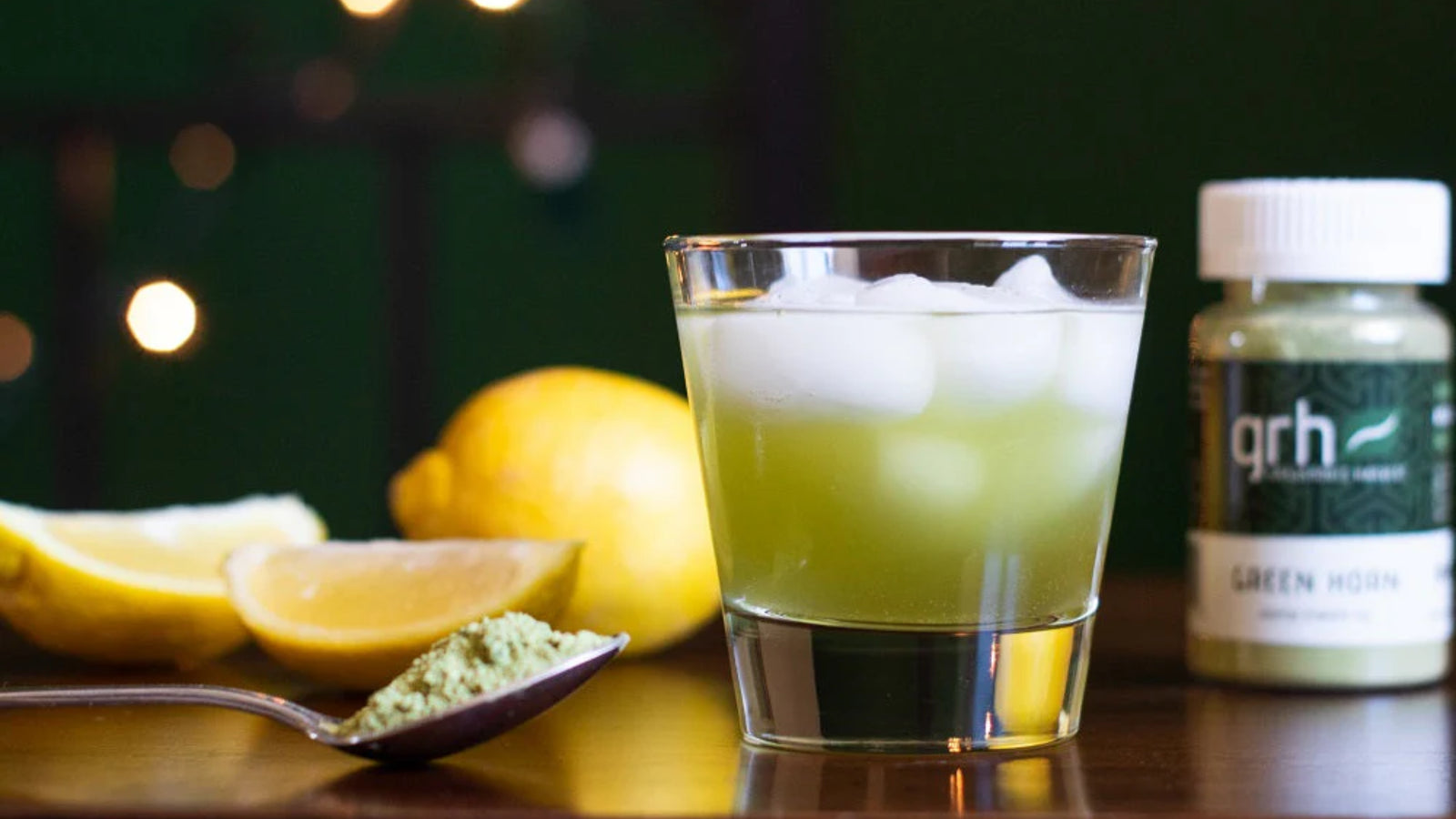
If you have spent any time around kratom, you have probably heard the debate. Some people swear by a slow, warm mug of kratom tea, while others reach straight for raw kratom powder and never look back. So the natural question follows: is kratom tea stronger than kratom powder, or is that just folklore passed around online? The short answer is that brewing changes the experience more than it changes raw strength, and understanding why helps you pick the method that actually fits your day.
Kratom comes from the leaves of Mitragyna speciosa, a tree native to Southeast Asia, and its effects come from naturally occurring compounds called alkaloids. According to Mitragyna speciosa research in PMC, mitragynine is the most abundant of these alkaloids, and the way you prepare the leaf can influence how much of it ends up in your cup. That is the heart of the kratom tea vs powder conversation: same plant, two different routes into your body.
This guide walks through preparation, taste, onset and timing, convenience, and what really shifts when you brew. We will keep it practical and honest, skip the hype, and stick to general principles rather than specific dose amounts. Let's get into it.

Table of Contents
- Kratom Tea vs Powder: The Basics
- What Changes When Kratom Is Brewed
- Taste and Convenience Compared
- Onset and Timing: Tea vs Powder
- How to Make Kratom Tea (Method, Not Measurements)
- Which One Should You Choose?
- Quality and Lab Testing Matter Most
- Frequently Asked Questions
- Final Thoughts
TL;DR
- Brewing kratom into tea does not magically make it stronger than the powder it came from; you cannot add alkaloids that were not there to begin with.
- The biggest differences between kratom tea vs powder are taste, convenience, onset, and how the experience feels, not raw potency.
- Kratom tea is usually smoother and milder tasting once the plant matter is strained away, and many people find it gentler on the stomach.
- Kratom powder is the most convenient and portable option, with a fuller, more bitter flavor and nothing strained out.
- Onset can feel slightly different: tea may come on a touch more gradually, while powder taken on an empty stomach may feel a bit faster.
- Over-boiling can degrade the leaf, so gentle heat matters more than aggressive boiling when you learn how to make kratom tea.
- Whichever method you choose, start low and go slow, and only buy lab-tested kratom from a trusted vendor.
- Kratom is not approved by the FDA. It is not for anyone under 18 or who is pregnant or nursing, and you should talk to a healthcare professional first.

Kratom Tea vs Powder: The Basics
Raw kratom powder is simply dried kratom leaf that has been ground into a fine, green powder. Nothing is brewed, strained, or cooked. You measure it out and take it directly, often by the popular toss-and-wash method or by stirring it into a drink. Kratom tea, on the other hand, is what you get when you steep that same powder (or crushed leaf) in hot water, then usually strain off the plant material before drinking. Both deliver the same family of how kratom alkaloids work, just through different preparation.
Here is the part that trips people up. A cup of kratom tea is not inherently stronger than the powder used to make it, because the alkaloids in your cup come entirely from the leaf you started with. Brewing can change how efficiently those compounds are extracted and how your body processes them, but it does not conjure extra potency out of thin air. So when someone says their tea hit harder, they are usually describing a difference in onset, an empty stomach, or how much leaf they used, not a stronger product.
It also helps to remember that strength varies by strain and vein color long before preparation enters the picture. If you are curious how reds, greens, and whites differ, our breakdown of kratom vein colors explained is a useful companion read. And if you want to know which strains tend to be most robust overall, see our guide to the strongest kratom strains.

What Changes When Kratom Is Brewed
When you steep kratom in hot water, you are running a gentle extraction. Some of the leaf's alkaloids dissolve into the water, and the leftover plant fiber gets strained away. That is why a well-made tea can feel cleaner and lighter on the gut than swallowing a mouthful of raw powder, since a lot of the bulky plant matter never makes it into your cup. The peer-reviewed work on kratom alkaloids notes that mitragynine and related compounds are the active drivers here, and extraction efficiency depends on factors like heat, time, and acidity.
Heat is the big one. Gentle, steaming-hot water helps pull the good stuff out of the leaf, but a hard, prolonged rolling boil can start to degrade delicate alkaloids. This is the single most common mistake people make. They crank the heat, boil their kratom aggressively for a long time, and then wonder why the tea felt weak. The fix is simple: keep the water hot but not violently boiling, and do not overdo the cook time.
A small splash of acidity, like lemon or lime juice, is a popular addition. Many people believe a little citrus helps the extraction along, and it certainly brightens the flavor. It is a harmless, optional tweak. The takeaway is that brewing is less about boosting strength and more about shaping a smoother, more controlled experience from the same leaf.

Taste and Convenience Compared
Let's be honest about flavor. Kratom is bitter. Raw powder delivers that earthy, green bitterness at full force, especially with the toss-and-wash method where you are tasting undiluted leaf. Some people grow to tolerate or even like it. Others never do. Kratom tea softens this considerably. Once the plant matter is strained and you have added something like honey, ginger, or citrus, the brew becomes far more drinkable and a lot easier to sip slowly.
Convenience runs the other direction. Powder wins on speed and simplicity, with no kettle, no steeping, no straining, and no cleanup. You can take it almost anywhere in seconds, which makes it the practical choice for busy mornings or travel. Tea asks for a few more minutes and a little ritual, which some people love and others find tedious.
| Factor | Kratom Tea | Kratom Powder |
|---|---|---|
| Preparation | Steep in hot water, then strain | Ready to take immediately |
| Taste | Milder and smoother once strained | Full, earthy, more bitter |
| Convenience | More time and cleanup | Fast and portable |
| Onset feel | Can come on more gradually | Can feel a touch faster |
| On the stomach | Often gentler for many people | Heavier for some, since nothing is strained |
| Best for | A calm, warm ritual | Speed, simplicity, and travel |
Neither column is the right answer for everyone. Think of taste and convenience as a trade-off you get to set based on the kind of day you are having.

Onset and Timing: Tea vs Powder
Onset is where a lot of the perceived strength difference actually lives. With kratom tea, the alkaloids are already dissolved in liquid, so there is less work for your digestive system to do. Some people report that tea feels like it comes on smoothly and a little gradually. With powder, especially taken on an empty stomach, the effects can feel like they arrive a touch more quickly for some users. None of this means one is stronger; it means the timing curve can feel different. A general pharmacology overview in PMC supports the idea that absorption and onset depend on how the leaf is consumed and what else is in your stomach.
Food matters too. A full stomach tends to slow down how fast you notice effects, whether you chose tea or powder. An empty stomach usually means a quicker, more noticeable onset. This is one reason the same person can feel like their tea was strong one day and mild the next, even with identical leaf. The variable was lunch, not the brew.

How to Make Kratom Tea (Method, Not Measurements)
Here is a simple, repeatable method for how to make kratom tea. Notice that we are talking about technique, not dose amounts. How much leaf you use is a personal matter best approached with the start-low-and-go-slow principle, and ideally after a conversation with a healthcare professional. We are also using lab-tested kratom, such as our Green Maeng Da Kratom Powder, so we know exactly what is in the cup.
- Heat your water gently. Bring water to a steaming, almost-simmering temperature. You want it hot, not at a hard rolling boil, because aggressive boiling can degrade the leaf's alkaloids.
- Add your kratom. Stir your lab-tested kratom powder or crushed leaf into the hot water until it is well mixed.
- Steep, do not boil hard. Let it sit and steep for several minutes, stirring occasionally. Keep the heat low and gentle the whole time.
- Add a splash of citrus (optional). A little lemon or lime brightens the flavor and is a popular, harmless addition many people enjoy.
- Strain off the plant matter. Pour the tea through a fine strainer to remove the leaf, leaving you with a smoother liquid.
- Flavor and sip. Add honey, ginger, or your sweetener of choice to taste, then drink it slowly and enjoy the ritual.
That is genuinely all there is to it. Once you find a flavor combination you like, tea time can become a relaxing part of your routine rather than a chore.

Which One Should You Choose?
There is no universal winner in the kratom tea vs powder debate. The right pick depends on your taste, your schedule, and how your stomach handles things. If you enjoy a warm, calming ritual, prefer a milder flavor, or want something a little gentler on the gut, tea is a lovely choice. A mellow strain like our Relax Blend Kratom Powder can be especially pleasant brewed slowly in the evening.
If speed and simplicity matter most, powder is hard to beat. It travels well, takes seconds, and nothing is strained away. Many people keep both on hand: powder for fast, practical days and tea for slower, more intentional moments. Energizing strains like White Maeng Da Kratom Powder suit a quick morning routine, while Red Maeng Da Kratom Powder leans toward relaxation later in the day.

Quality and Lab Testing Matter Most
Whatever method you prefer, the quality of the leaf matters far more than tea versus powder ever will. Kratom is not a regulated supplement the way many products are, and the FDA's consumer update on kratom has flagged concerns about contamination and mislabeling in poorly sourced products. That is exactly why third-party lab testing is non-negotiable. Lab-tested kratom is screened for heavy metals, harmful bacteria like salmonella, and accurate alkaloid content.
The American Kratom Association runs a Good Manufacturing Practices program that responsible vendors participate in, and it is a useful signal when you are evaluating where to buy. A trustworthy vendor should be able to show you current lab results without any fuss. If a seller dodges that question, walk away. Clean, tested leaf is the foundation of any good cup of tea or scoop of powder.
In other words, do not obsess over whether tea is secretly stronger than powder. Put that energy into sourcing leaf you can actually trust, since that single decision shapes your experience more than your brewing method ever could.

Frequently Asked Questions
Is kratom tea stronger than kratom powder?
Not inherently. The alkaloids in your tea come from the leaf you brewed, so tea cannot be stronger than the powder it was made from. People often perceive tea as stronger because of differences in onset, an empty stomach, or how much leaf they used, not because brewing adds potency.
Does brewing destroy kratom's effects?
Gentle steeping does not. The mistake is hard, prolonged boiling, which can degrade delicate alkaloids and leave you with a weaker brew. Keep the water hot but not at a rolling boil, and limit the cook time to protect the leaf.
Which is easier on the stomach, tea or powder?
Many people find kratom tea gentler, because the bulky plant fiber is strained out before drinking. Raw powder includes all of that plant matter, which can sit heavier for some users. Individual tolerance varies, so notice how your own body responds.
How do I make kratom tea taste better?
Strain out the plant matter, then add honey, ginger, or a squeeze of lemon or lime. Citrus is a popular, harmless addition that brightens the flavor and is often said to support extraction. Sipping it slowly while warm also helps.
Can I reuse the strained kratom leaf?
Some people do a second, weaker steep from the same leaf, but most of the alkaloids come out in the first brew. The leftover plant matter can simply be discarded or composted once you have strained your tea.
Is kratom legal and safe to use?
Kratom's legal status varies by state and locality, and it is not approved by the FDA for any medical use. It is not intended for anyone under 18, or for people who are pregnant or nursing. Always check your local laws and talk to a healthcare professional before trying it. The American Kratom Association tracks legislation if you want current details.
How much kratom should I use for tea or powder?
We do not give specific dose amounts, and for good reason: the right approach is individual and best discussed with a healthcare professional. The widely shared principle is to start low and go slow, give your body time to respond, and never rush to intensify effects.
Should I keep both tea and powder on hand?
Many people do. Powder is fast and portable for busy days, while tea offers a calmer ritual when you have time. Keeping both lets you match the method to your mood and schedule without committing to just one.

Final Thoughts
So, is kratom tea stronger than kratom powder? Not in any real, alkaloid-counting sense. Brewing changes taste, smoothness, onset, and ritual, but it does not multiply the strength of the leaf you started with. The better question is which method fits your life: the quick simplicity of powder, or the slower, gentler comfort of a warm cup of tea. For most people, the honest answer is sometimes one and sometimes the other.
Whichever you choose, build your routine on lab-tested leaf, start low and go slow, and treat kratom with respect. As a vendor, our goal is to clear up the myths and help you make informed choices. If you are ready to experiment, reach for a versatile, lab-tested green vein for an all-rounder, or a calming red-and-green blend for those slow evening brews. Have a question about preparation? We are always happy to help.
Disclaimer: This article is for educational purposes only and is not medical advice. Kratom has not been approved by the FDA, and statements here have not been evaluated by the FDA. Kratom is not intended to diagnose, treat, cure, or prevent any disease. It is not for use by anyone under 18 or by those who are pregnant or nursing. Always consult a qualified healthcare professional before using kratom, and check the laws in your area.


