



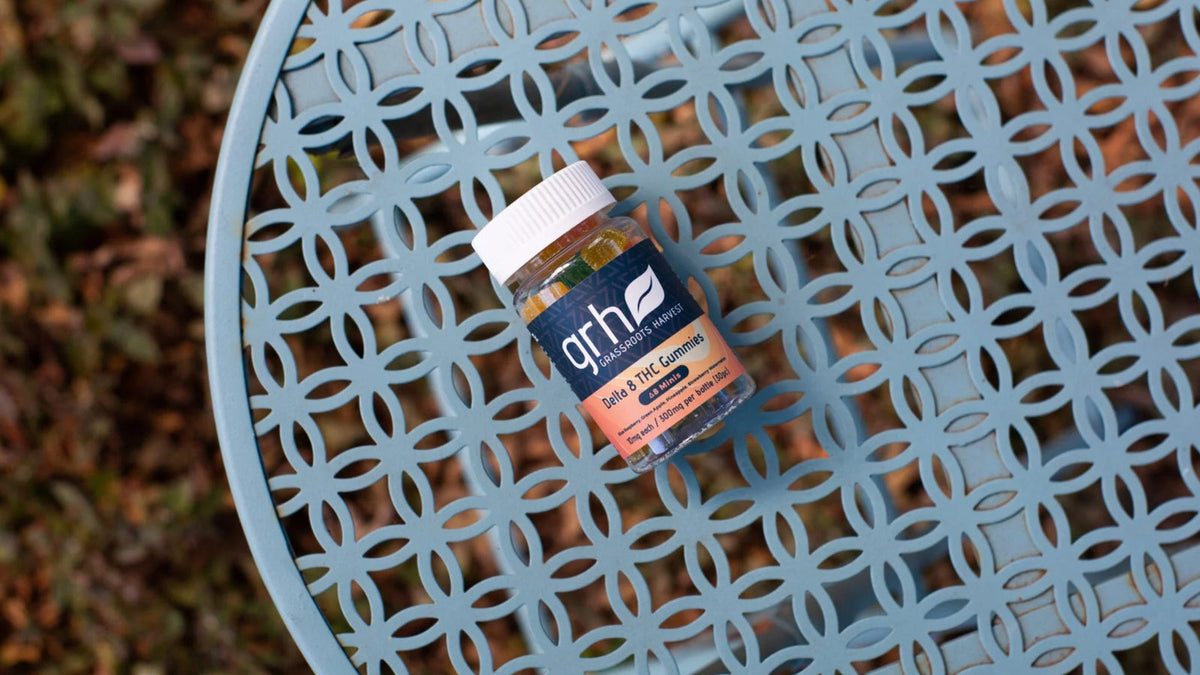
Few cannabis-policy fights in Texas have moved as fast, or confused as many people, as the delta-8 THC ban attempt that began in October 2021. So if you have been asking is delta 8 legal in texas, the honest answer is that the story has shifted several times, and where it stands today is different from where it stood when this fight started. This guide walks through what happened, who challenged it, and why the question keeps coming back.
The short version: in October 2021 the Texas Department of State Health Services (DSHS) posted an online notice taking the position that delta-8 THC was a Schedule I controlled substance. Retailers and manufacturers, including GRH Kratom and Austin-based Hometown Hero, pushed back hard. A Travis County judge granted a temporary injunction in November 2021 that kept delta-8 on shelves while the lawsuit played out. That injunction held for years, and then the Texas Supreme Court weighed in.
According to the 2018 federal Farm Bill, hemp and its derivatives are defined as cannabis containing no more than 0.3% delta-9 THC by dry weight (FDA, on hemp and cannabidiol). That 0.3% line is the hinge that the entire delta 8 thc ban debate turns on, because delta-8 sits in a gray zone the Farm Bill did not spell out. Here is the full picture.

Table of Contents
- What Happened in October 2021
- The DSHS Position, Explained
- The Lawsuit and the Retailers Who Fought It
- The Injunction That Kept Delta-8 on Shelves
- Timeline of the Delta-8 Fight
- What It Meant for Texas Shoppers
- Delta-8 vs Delta-9: The Quick Difference
- The Federal Farm Bill Context
- Where Things Stand Now
- How to Check the Current Status Yourself
- Frequently Asked Questions
- Final Thoughts
TL;DR
- In October 2021, DSHS posted an online notice calling delta-8 THC a Schedule I controlled substance in Texas.
- The agency argued the 2019 state hemp law never authorized the sale of delta-8, regardless of the federal Farm Bill.
- Retailers and manufacturers, including GRH Kratom and Hometown Hero, challenged the move as improper rule-making.
- A Travis County judge granted a temporary injunction in November 2021, keeping delta-8 available during the litigation.
- That injunction held through a 2023 appeals court ruling that sided with the retailers.
- In May 2026, the Texas Supreme Court ruled DSHS had the authority to classify delta-8, and the injunction was lifted.
- DSHS has said its website notice carries no independent legal effect and that it will not enforce the statement on its own.
- The status keeps changing, so delta 8 texas shoppers and sellers should always verify the current law before buying or selling.

What Happened in October 2021
On October 15, 2021, DSHS updated guidance on its website stating that all forms of THC other than delta-9 below 0.3%, including delta-8 in any concentration, were Schedule I controlled substances under Texas law. Overnight, a product that thousands of stores had been selling openly was suddenly described by a state agency as illegal.
The reaction was immediate. Retailers pulled products, payment processors got nervous, and consumers who used delta-8 were left wondering whether they had been breaking the law. GRH Kratom founder Kemal Whyte described the practical fallout plainly at the time, telling a local reporter that the move would have "a massive impact on small businesses, there's just no way around it." Many vendors, including GRH Kratom, paused delta-8 sales while the situation was sorted out.
The confusion was understandable. The widely held assumption had been that the 2018 federal Farm Bill and the 2019 Texas hemp law (House Bill 1325) together made hemp-derived products legal as long as they stayed under the 0.3% delta-9 threshold. DSHS now said that assumption was wrong.
The DSHS Position, Explained
DSHS built its position on a narrow reading of state law. The agency contended that because the Texas hemp statute did not explicitly mention delta-8, the law "did not, nor was it intended to, allow for the manufacture and sale" of delta-8 products. In the agency's view, the Texas Controlled Substances Act still swept up delta-8 as a tetrahydrocannabinol, and the hemp law carved out only the trace amounts naturally present in hemp.
Critics countered that the agency had effectively rewritten a rule without going through the formal rule-making process that Texas law requires. They argued a quiet website update was not a lawful way to reclassify a substance that an entire industry had been selling in the open. That procedural objection, rather than a pure argument about chemistry, became the heart of the early legal fight over the dshs delta 8 notice.

The Lawsuit and the Retailers Who Fought It
Hometown Hero, an Austin-based CBD and hemp company, filed suit to block the reclassification. Other retailers, including Vape City, filed separate actions, and companies such as Bayou City Hemp publicly backed the legal effort. GRH Kratom was among the Texas businesses that supported the broader challenge and kept customers informed as events unfolded.
The plaintiffs' core argument was about process and notice. They said DSHS had not properly informed retailers before treating delta-8 as a banned substance, and that the agency's October online notice did not satisfy the state's rule-making requirements. As The Texas Tribune reported, the dispute quickly became a test of how a state agency can, and cannot, reclassify a product that is already widely sold.
For a broader look at how delta-8 rules differ across the country, our guide on where delta-8 is illegal in the U.S. shows just how much the legal map varies from state to state.
The Injunction That Kept Delta-8 on Shelves
The legal turning point came quickly. On November 8, 2021, Travis County state district court Judge Jan Soifer granted a temporary injunction against the state, blocking DSHS from treating delta-8 as a Schedule I drug while the case proceeded. The order found that the agency's action did not comply with the state's rule-making requirements.
The practical effect was that selling or obtaining delta-8 was not a felony offense in Texas while the injunction stood. Retailers could put products back on shelves, and consumers could buy them, even though the larger legal question remained unresolved. The state appealed, but the injunction held. In September 2023, a Texas appeals court ruled that the trial court had not abused its discretion in granting it, keeping delta-8 available as the litigation continued.

Timeline of the Delta-8 Fight
The dispute spanned nearly five years and several courts. Here is how the key moments unfolded:
- 2018: The federal Farm Bill defines hemp as cannabis with no more than 0.3% delta-9 THC, opening the door to hemp-derived cannabinoids.
- 2019: Texas passes House Bill 1325, legalizing the production of hemp in the state.
- October 15, 2021: DSHS posts an online notice classifying delta-8 as a Schedule I controlled substance.
- Late October 2021: An initial restraining order request is denied, and retailers including GRH Kratom pause sales.
- November 8, 2021: A Travis County judge grants a temporary injunction, keeping delta-8 available.
- September 2023: A Texas appeals court upholds the injunction.
- May 2026: The Texas Supreme Court rules DSHS had the authority to classify delta-8, and the injunction is lifted.
What It Meant for Texas Shoppers
For most of the period between late 2021 and 2026, the injunction meant delta-8 stayed on shelves across Texas. Shoppers could buy it, and retailers could sell it, with the understanding that the legal question was still open. That long stretch of availability is a big reason so many Texans came to know delta-8 in the first place.
The lesson for consumers was less about any single ruling and more about volatility. A product's day-to-day availability can depend on a court order that may change. If you used delta-8 during this window, you were relying on an injunction, not a settled law. That distinction matters now more than ever. If you want a refresher on the compound itself, our overview of what delta-8 THC is breaks down the basics.

Delta-8 vs Delta-9: The Quick Difference
A lot of the legal confusion comes from how similar these two compounds sound. Both are forms of THC, but they are treated very differently under the rules. This table lays out the basics:
| Factor | Delta-8 THC | Delta-9 THC |
|---|---|---|
| Source | Usually converted from hemp-derived CBD; occurs naturally only in trace amounts | The primary psychoactive compound in marijuana |
| Farm Bill threshold | Sits in a gray zone the 2018 Farm Bill did not directly address | Capped at 0.3% by dry weight to qualify as legal hemp |
| Reported effects | Users describe a milder, similar intoxication | Generally described as stronger |
| Legal clarity | Heavily litigated and state-dependent | Federally controlled above 0.3% in hemp |
Because delta-8 is typically lab-converted rather than extracted in usable amounts from the plant, regulators have repeatedly questioned whether it fits the Farm Bill's hemp definition at all. That open question is exactly what kept the Texas case alive for years.
The Federal Farm Bill Context
The 2018 Farm Bill removed hemp from the federal Controlled Substances Act and defined it by that now-famous 0.3% delta-9 threshold. The U.S. Department of Agriculture administers the federal hemp framework, and its Farm Bill resources outline the program's structure. Crucially, the law did not spell out how to treat cannabinoids like delta-8 that are derived from legal hemp but produce intoxicating effects.
That silence created the gap that states have been filling on their own. The U.S. Food and Drug Administration has separately flagged safety and labeling concerns about delta-8 products, noting in its consumer guidance on delta-8 THC that these products have not been evaluated or approved for safe use. The result is a patchwork: legal in some states, restricted in others, and litigated in places like Texas.

Where Things Stand Now
The legal picture changed significantly in 2026. In May 2026, the Texas Supreme Court ruled that DSHS had the authority to classify delta-8 as a controlled substance, and the long-running temporary injunction was lifted. Reporting from Texas public radio noted that the injunction, which had kept delta-8 widely available for nearly five years, expired at the end of May 2026 (KUT, Austin's NPR station).
There is important nuance, though. According to the court, the agency's website notice carries no independent legal effect on its own, no one can be civilly penalized solely for violating that statement, and DSHS has said it will not enforce the website statement. The plaintiffs were also given a window to ask the court to reconsider. In other words, the headline "the ban stands" does not capture how unsettled enforcement remains.
This is why we will not tell you delta-8's status in Texas is fixed. It has been contested for years, it was actively being relitigated as of mid-2026, and the practical enforcement picture is still developing. Treat any single statement about its legality, including this one, as a snapshot in time.

How to Check the Current Status Yourself
Because the law here moves, the smartest habit is to verify before you buy or sell. A few reliable steps:
- Check the official DSHS site directly at dshs.texas.gov for the agency's current position.
- Look for recent coverage from neutral outlets such as the Texas Tribune or your regional NPR station, which track court rulings closely.
- Confirm the date on anything you read. A 2022 article and a 2026 ruling can describe opposite realities.
- If you sell hemp products, watch the Texas Legislature and the courts, since both can shift the rules quickly.
We do not offer legal advice, and this guide is not a substitute for it. If you have a specific question about your own situation or business, consult an attorney who handles Texas hemp and cannabis law.

Frequently Asked Questions
Is delta-8 legal in Texas right now?
The answer has changed over time. A temporary injunction kept delta-8 available from late 2021 until it was lifted in 2026 after the Texas Supreme Court ruled DSHS had authority to classify it. Enforcement details remain unsettled, so always verify the current status with official sources before buying or selling.
What did DSHS actually do in 2021?
On October 15, 2021, DSHS posted an online notice stating that delta-8 in any concentration was a Schedule I controlled substance under Texas law. The notice, not a formal new statute, is what triggered the lawsuit.
Who sued over the delta-8 ban?
Austin-based Hometown Hero filed the lead challenge, with separate suits from retailers like Vape City and support from companies including Bayou City Hemp. GRH Kratom was among the Texas businesses that backed the broader challenge.
What was the temporary injunction?
On November 8, 2021, a Travis County judge granted a temporary injunction blocking DSHS from treating delta-8 as Schedule I while the case proceeded. It kept delta-8 on shelves and was later upheld by an appeals court in 2023.
Did the Texas Supreme Court ban delta-8?
In May 2026, the court ruled DSHS had the authority to classify delta-8, and the injunction was lifted. However, the court also said the website notice has no independent legal effect, and DSHS indicated it would not enforce that statement on its own, so the practical picture is more complicated than a simple ban.
How is delta-8 different from delta-9?
Both are forms of THC. Delta-9 is the main psychoactive compound in marijuana and is capped at 0.3% in legal hemp. Delta-8 is usually converted from hemp-derived CBD, occurs naturally only in trace amounts, and sits in a legal gray zone the Farm Bill did not directly address.
Does the federal Farm Bill make delta-8 legal?
The 2018 Farm Bill legalized hemp under the 0.3% delta-9 threshold but did not clearly address intoxicating hemp-derived cannabinoids like delta-8. That silence is why states have set their own rules and why the Texas dispute lasted so long.
Where can I check the current law?
Start with the official DSHS website and recent reporting from neutral outlets, and confirm the date on anything you read. For your specific situation, consult an attorney who handles Texas hemp law.

Final Thoughts
The Texas delta-8 saga is a reminder that the legality of a popular product can rest on a single court order. From the October 2021 DSHS notice, through the November 2021 injunction that kept delta-8 on shelves, to the 2026 Texas Supreme Court ruling, the ground kept shifting under shoppers and retailers alike. GRH Kratom has tried to keep customers informed at every turn, and the most useful takeaway is simple: verify the current status before you act, because it can and does change.

If you want to explore what is currently available, browse our kratom collection and our broader full product lineup. To stay current on legal developments like this one, sign up for our newsletter and check our news and updates blog, where we track the rules that affect what you can buy in Texas.


