



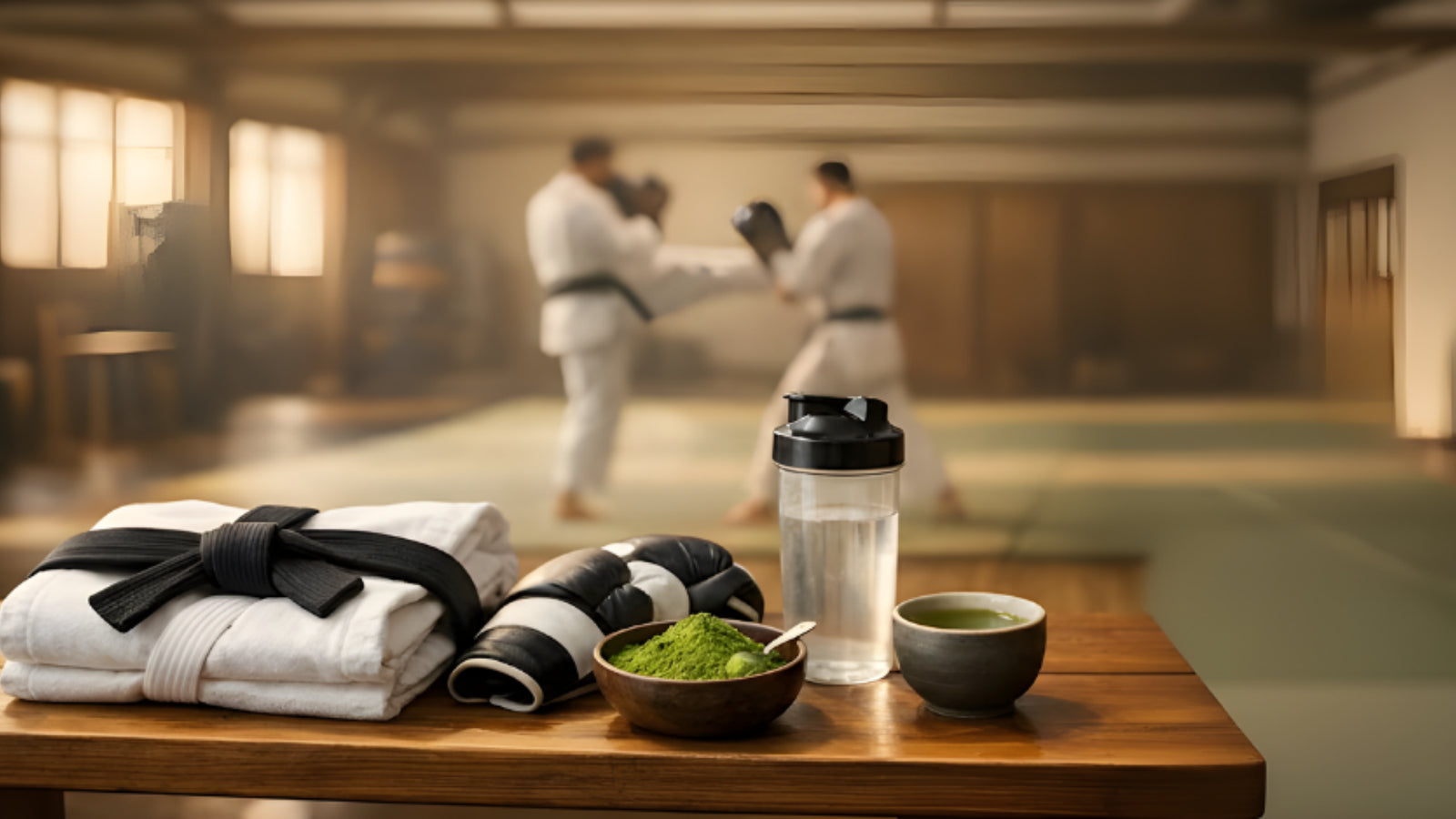
Walk into almost any dojo, gym, or grappling academy and you will eventually hear the conversation: athletes comparing notes on what they take before a hard session and how they wind down afterward. In recent years kratom for martial arts has become part of that conversation, with practitioners of karate, judo, taekwondo, Brazilian jiu-jitsu, and MMA exploring the plant for energy, focus, and post-training relaxation. Kratom comes from the leaves of the Mitragyna speciosa tree, a tropical evergreen native to Southeast Asia, where the leaves have a long history of traditional use among laborers and farmers. This guide looks honestly at how martial artists think about kratom, the traditional and anecdotal benefits people describe, and the real caveats you need to understand around dosing, competition rules, and testing. Importantly, kratom is not an approved drug: the U.S. Food and Drug Administration has not approved kratom for any therapeutic use, so nothing here is medical advice or a promise of better performance.[FDA]

Table of Contents
- TL;DR: The Quick Version
- Why Martial Artists Look at Kratom
- Kratom Strains for Energy vs Recovery
- Timing and Dosing Basics for Training
- The Honest Caveats: Competition and Testing
- Safety and Responsible Use
- Choosing Quality Kratom
- Strain Comparison Table
- Frequently Asked Questions
- Final Thoughts
TL;DR: The Quick Version
- Kratom for martial arts is used traditionally and anecdotally for energy, focus, and post-training relaxation, not as a proven performance enhancer.
- Effects are dose-dependent: a lower dose tends to feel more stimulating, while a higher dose tends to feel more sedating.[DEA]
- White vein and green vein kratom are the strains most often associated with energy and focus; red vein and slow green blends are favored for relaxation and recovery.
- The plant's main active alkaloids are mitragynine and 7-hydroxymitragynine.
- Kratom is not FDA-approved for any use, and it is not a dietary supplement under current law.
- Kratom is not currently on the WADA Prohibited List, but rules vary by sport and league, and metabolites can show up on specialized tests, so always check your organization's policy.[USADA]
- It is not for anyone under 18, and you should talk to a doctor first, especially if you take medications.
- Quality matters: choose vendors that lab-test their kratom for purity and consistency.
Why Martial Artists Look at Kratom
Martial arts demand a difficult combination: explosive energy, sustained mental focus during long technical drills, and the ability to recover and relax between hard sessions. That is exactly the mix of qualities people traditionally associate with kratom, which is why kratom for energy and kratom for focus are such common search topics among people who train. The leaves contain alkaloids, primarily mitragynine, that interact with the body's systems in ways researchers are still studying.[Northwestern Medicine]
For a striker drilling karate or taekwondo combinations, the appeal is often the lift in energy and alertness that lower doses are anecdotally said to provide. For a grappler grinding through judo randori or Brazilian jiu-jitsu rounds, the interest in kratom for workout recovery often centers on the calmer, more relaxed feeling that higher doses tend to produce afterward. These are general and traditional impressions reported by users, not medical claims or evidence that kratom improves athletic performance.

It is worth being clear-eyed here. Kratom's reputation in training circles is built largely on anecdote and centuries of traditional use, not on robust clinical trials in athletes. The honest framing is that some people who train enjoy how it feels for energy, focus, and winding down, while the science is still early and the regulatory status is unsettled.
Kratom Strains for Energy vs Recovery
Kratom is usually sorted by vein color, and the vein is the first thing most martial artists look at when matching a strain to a goal. While individual results vary and no strain is a guarantee, the general traditions around kratom strains break down roughly like this:
- White vein kratom is the strain most often reached for when energy and alertness are the priority, such as before an early training session.
- Green vein kratom is frequently described as a middle ground, balancing a sense of focus with a steadier, less sharp feel.
- Red vein kratom is the classic choice associated with relaxation and post-training wind-down rather than stimulation.

If you want to go deeper on how veins and regions shape the experience, our overview of the difference between kratom strains is a useful next read. Many practitioners keep one energizing strain like a white or green and one calming red on hand, choosing based on whether the day calls for output or recovery.

Timing and Dosing Basics for Training
Two ideas drive how thoughtful users approach kratom around training: dose-dependence and timing. The dose-dependence point is the most important thing to understand. At lower amounts kratom tends to feel more stimulating, and at higher amounts it tends to feel more sedating; researchers note there is no clean cutoff between the two.[DEA] That single fact explains why the same plant gets talked about for both energy and relaxation.

On timing, people who train tend to think in stages: a lighter, more energizing approach before or earlier in the day when focus matters, and a calmer approach later for recovery and rest. The universal beginner principle is start low and go slow. Begin with the smallest reasonable amount, see how your body responds, and never stack doses to chase a stronger effect.

Kratom is taken in several forms. Toss-and-wash powder, capsules, and kratom tea are all common; capsules offer convenient, measured servings, while tea and powder let you control the amount more granularly. Whatever the form, hydration matters around hard training, and kratom is not a substitute for proper warm-ups, conditioning, sleep, and nutrition.

The Honest Caveats: Competition and Testing
This is the section every competitor needs to read carefully. First, the regulatory reality: kratom is not FDA-approved, and the agency has not approved it for any therapeutic use, nor is it legally a dietary supplement.[FDA] None of the traditional benefits people describe should be read as a medical endorsement.

On competition and testing, the picture is nuanced. Kratom and its primary alkaloid mitragynine are not currently on the World Anti-Doping Agency Prohibited List; mitragynine sat on WADA's Monitoring Program for a period and was later removed.[USADA] That does not mean you are automatically in the clear. Different sports, leagues, promotions, and amateur organizations set their own rules, and some may treat kratom differently than WADA does. On top of that, standard drug panels typically do not screen for kratom, but specialized tests can detect its metabolites, so a "routine" test is not a guarantee it will be invisible. The responsible move is simple: check your specific sport's and organization's anti-doping and substance policies before competing, and when in doubt, ask your governing body directly.
Safety and Responsible Use
Kratom can cause side effects in some people, including nausea, dizziness, dry mouth, and constipation, and it can interact with medications.[FDA] Health authorities also caution that safety and appropriate dosing have not been well established.[Mayo Clinic] Regular heavy use can lead to dependence. Because of these realities, responsible use is non-negotiable, especially for athletes who are already putting their bodies under stress.

Keep these guardrails in mind: kratom is not for anyone under 18; it is not for use during pregnancy or breastfeeding; you should talk to a healthcare provider before trying it, particularly if you take any medication or have a heart or liver condition; and you should never combine it with alcohol or other substances. We are not medical professionals, and this is not medical advice. For more context on starting out, our guide to how much kratom to take walks through the start-low principle in more detail.
Choosing Quality Kratom
If you decide kratom fits your lifestyle, quality is where you should be most demanding. The market is uneven, and the strongest signal of a trustworthy product is independent lab testing for contaminants and alkaloid content. Look for vendors who publish or provide lab results, use clear strain labeling, and are transparent about sourcing.
For people focused on energy and focus around training, a green strain like our Green Maeng Da Kratom Powder is a popular starting point, prized for its balanced, long-lasting profile. You can also browse the full GRH Kratom collection to compare veins and formats.

If you are still deciding between veins, our breakdown of the best kratom for energy can help you narrow down a starting strain before you commit.
Strain Comparison Table
| Vein | Commonly Associated With | When Martial Artists Reach For It |
|---|---|---|
| White vein | Energy, alertness, focus | Before early or high-output sessions |
| Green vein | Balanced focus and steadiness | Daytime training and technical drilling |
| Red vein | Relaxation, wind-down | After hard training, for recovery and rest |
A simple way to put the comparison into practice:
- Pick one energizing strain (white or green) for output-focused days.
- Pick one calming red strain for recovery and rest.
- Start with the lowest reasonable amount of either and adjust slowly.
- Track how each feels around your training so you can refine your routine.
Frequently Asked Questions
Is kratom good for energy during martial arts training?
Many practitioners traditionally and anecdotally use lower doses of kratom for energy and focus, often choosing white or green vein strains. This is a general impression reported by users, not a proven performance benefit, and kratom is not FDA-approved for any use.
What is the best kratom for workout recovery?
For relaxation and recovery, red vein kratom and slower green blends are the traditional favorites. Effects are dose-dependent, so higher amounts tend to feel more sedating, which is why people associate them with winding down after training.
Does kratom show up on a drug test?
Standard drug panels usually do not screen for kratom, but specialized tests can detect its metabolites.[USADA] If testing matters for your sport or job, do not assume it is undetectable, and check the relevant policy.
Is kratom banned for athletes or in competition?
Kratom is not currently on the WADA Prohibited List, but individual sports, leagues, and promotions set their own rules. Always confirm your specific organization's substance policy before competing.
What are the main side effects of kratom?
Reported side effects include nausea, dizziness, dry mouth, and constipation, and kratom can interact with medications and lead to dependence with heavy use. Consult a doctor before trying it.
How much kratom should a beginner take?
The universal guidance is to start low and go slow: begin with the smallest reasonable amount, wait to see how your body responds, and avoid stacking doses. See our dosage guide for more detail.
What are the active compounds in kratom?
The two main alkaloids are mitragynine and 7-hydroxymitragynine, which researchers are still studying.[Northwestern Medicine]
Is kratom legal and FDA-approved?
Kratom is not FDA-approved for any therapeutic use and is not legally a dietary supplement; its legality also varies by state and locality, so check your local laws.[FDA]
Final Thoughts
Kratom has earned a place in many martial artists' conversations about energy, focus, and recovery, drawing on centuries of traditional use and a lot of modern anecdote. But the honest version of the story includes the caveats: it is not FDA-approved, its effects are strongly dose-dependent, it can carry side effects and dependence risk, it is not for anyone under 18, and competitors must check their sport's rules and understand that specialized tests can detect it. If you choose to explore kratom for martial arts, do it responsibly, start low, choose lab-tested products, and talk to a healthcare provider first. Train hard, recover smart, and make informed choices.


